Driving under the influence of drugs, particularly marijuana, has become an increasingly significant concern as more states legalize cannabis for recreational and medical use. While the public is generally aware of the dangers of drunk driving, there remains considerable debate and confusion about how marijuana and other drugs affect driving ability and contribute to accident rates.
Let there be no doubt: Anyone who drives high endangers themselves and others. If you or a loved one suffered an injury in an accident with a high driver, allow a personal injury attorney to lead the case for the compensation you deserve.
The Science of Impairment: How Marijuana Affects Driving Ability
Cannabis and other drugs can significantly impair the cognitive and motor skills necessary for safe driving. Unlike alcohol, which has standardized testing methods and well-established impairment thresholds, marijuana's effects on driving are more complex to measure and quantify.
However, research consistently shows that being high while driving increases accident risk. Marijuana use affects driving in several critical ways, possibly including:
- Reduced reaction time, making it difficult to respond quickly to sudden hazards or traffic changes
- Impaired coordination, affects a driver's ability to smoothly operate vehicle controls
- Altered time and distance perception, leading to misjudgment of speeds and distances
- Diminished attention span and increased susceptibility to distraction
- Difficulty maintaining lane position and consistent speed
- Impaired judgment and decision-making capabilities
- Reduced peripheral vision and visual processing abilities
These effects can persist for hours after use, with many users underestimating the duration of impairment. The concentration of tetrahydrocannabinol (THC) in cannabis can affect the nature of the driver's impairment. That being said, anyone who drives under the influence of cannabis increases the risk of causing an accident.
Illicit and Prescribed Drugs Also Increase the Risk of Auto Accidents
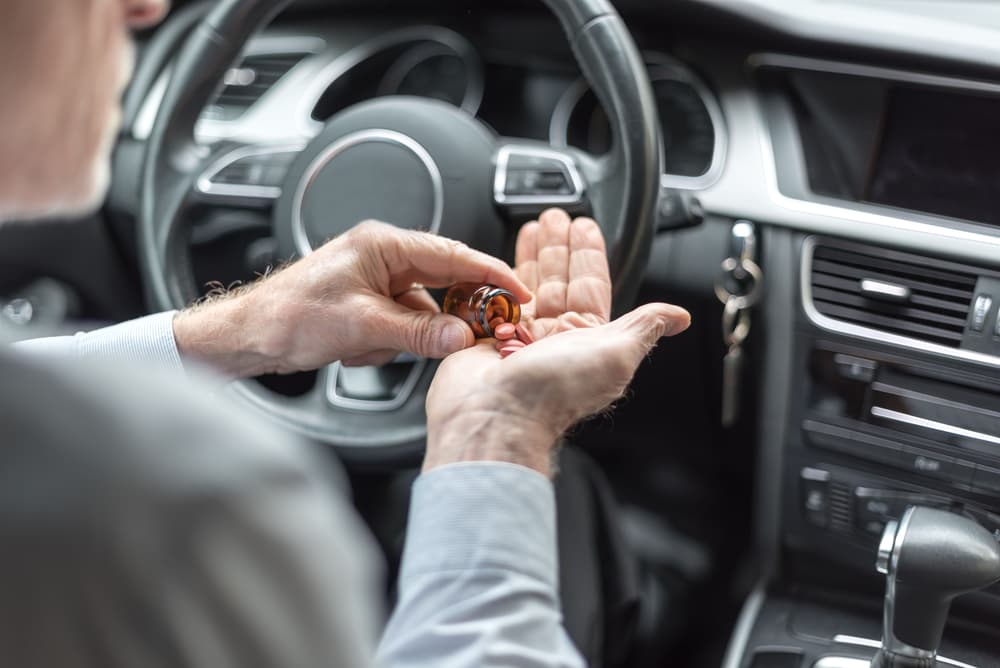
Cannabis has become increasingly legalized, and some people's casual view of marijuana means that it warrants its mention. Some consider driving while high on cannabis "no big deal," but they're wrong.
That being said, cannabis is far from the only drug that makes drivers more dangerous. Numerous prescribed and illicit substances significantly impair driving ability, often with severe and unpredictable effects. These substances include:
Stimulants, Including Cocaine and Methamphetamine
Stimulant drugs create a false sense of alertness while severely compromising driving safety. Cocaine, methamphetamine, and other stimulant users may experience:
- Aggressive and reckless driving behaviors, including excessive speeding and dangerous passing
- Impaired judgment and risk assessment capabilities
- Hyperfocus on certain tasks while neglecting other critical driving responsibilities
- Unpredictable behavior and potential for sudden rage responses ("road rage")
- Diminished peripheral vision and spatial awareness
- Risk of sudden "crash" when the drug effects wear off, potentially causing drowsiness or unconsciousness while driving
There are many alarming trends in methamphetamine use, including a broader segment of the population using this drug. Cocaine continues to be an ever-present threat, too. If you were in an accident with anyone impaired by a stimulant, that party is likely liable for your damages.
Opioids and Other Depressants
Prescription and illicit opioids present a growing danger on roadways, especially as the opioid epidemic continues. Drivers under the influence of these substances may exhibit:
- Significant drowsiness and reduced alertness
- Delayed reaction times comparable to or worse than legal alcohol intoxication
- Impaired coordination affecting steering control and pedal operation
- "Nodding off" or microsleeps, particularly dangerous at highway speeds
- Reduced cognitive function affecting decision-making and hazard perception
- Constricted pupils affecting night vision and light adaptation
Similarly, benzodiazepines and other central nervous system depressants cause profound driving impairment. Those who drive on depressants pose an unacceptable risk to others and can be held liable for harm resulting from their negligence.
Hallucinogens and Dissociatives
Perhaps most dangerous for drivers are hallucinogenic substances, which fundamentally alter one's perception of reality. Drivers under the influence of LSD, PCP, ketamine, or similar substances can experience:
- Visual hallucinations and distortions that can make road conditions impossible to interpret accurately
- Severely impaired depth perception and distance judgment
- Confusion about the driving environment and appropriate responses
- Time distortion affecting speed perception and reaction timing
- Dissociative effects potentially cause complete detachment from driving tasks
- Panic reactions or paranoia that can trigger dangerous evasive maneuvers
The unpredictable nature of these substances makes them particularly hazardous, as drivers may suddenly experience intense effects that completely incapacitate their ability to operate a vehicle safely.
Prescription Medications
It's worth noting that prescribed medications, while legal, can have extremely dangerous effects when the person taking them drives a motor vehicle. Common prescription drugs that impair driving include:
- Antihistamines causing drowsiness and reduced coordination
- Antidepressants affecting reaction time and alertness
- Sleep medications with effects that may persist into the following day
- Anti-anxiety medications impairing coordination and cognitive function
- Some antipsychotics affecting motor control and alertness
- Muscle relaxants reducing coordination and reaction capabilities
Many patients falsely believe that prescription status makes these medications safe for driving when, in reality, they can cause impairment comparable to illegal substances.
The legal consequences for driving under the influence apply equally to prescription medications when they cause impairment, regardless of whether the driver has a valid prescription. All drivers have a responsibility to understand the effects of their medications and avoid driving when impaired by any substance, legal or illegal. The consequences—both legal and human—remain equally devastating regardless of the substance that causes the impairment.
The Legal Standards for Drugged Driving
Unlike alcohol, which has a standardized 0.08 percent blood alcohol concentration limit across all states, drug impairment lacks a universally accepted measurement standard. This complicates the enforcement and prosecution of drugged driving cases.
That said, states generally try to enforce laws that prohibit drug impairment. If a law enforcement officer knows or suspects that a driver is impaired at the time of an accident, that driver can expect to face legal consequences.
Whether or not a drug-impaired driver who caused your accident faces criminal charges, you have a right to hold them (and any other liable parties) financially accountable for your damages.
There Are Some Detection Challenges, But Law Enforcement Has Tools at Its Disposal
One of the greatest challenges in addressing drugged driving is the difficulty in detecting impairment reliably at roadside stops. Unlike the breathalyzer test for alcohol, testing for drivers' use of marijuana and other drugs presents unique challenges.
Law enforcement employs several approaches to identify drug-impaired drivers, including:
- Drug Recognition Experts (DREs) who conduct standardized evaluations to identify drug impairment
- Advanced Roadside Impaired Driving Enforcement (ARIDE) training that provides officers with additional skills to detect drug impairment
- Standardized Field Sobriety Tests (SFSTs), which were originally designed for alcohol and can provide evidence of general impairment
- Oral fluid testing technology, which is emerging as a potential roadside screening tool, though not yet widely adopted
- Blood testing, which remains the gold standard for confirming drug presence but cannot be conducted roadside
- Urine testing, this may be used but has limitations for determining recent use versus past use
- Behavioral observation, during which officers document physical signs such as dilated pupils, coordination issues, and speech patterns
The development of more accurate roadside testing methods continues to be a priority for researchers and law enforcement agencies seeking to reduce drugged driving incidents. Your car accident lawyer may use the results of law enforcement officials' drug-use detection techniques in building your civil case.
What Options Do Victims of High Drivers Have for Seeking Compensation?
When someone suffers an injury in an accident caused by an impaired driver, they have legal rights to pursue compensation through both criminal and civil channels. Understanding these options is vital for victims seeking justice and financial recovery.
Individuals harmed by high drivers can seek justice through multiple avenues, including:
- Criminal prosecution of the impaired driver can result in penalties including fines, license suspension, and incarceration
- Civil lawsuits allow victims to pursue financial compensation independently of any criminal proceedings
- Insurance claims against the at-fault driver's policy typically provide the first line of financial recovery
- Uninsured/underinsured motorist coverage may provide additional protection if the impaired driver lacks adequate insurance
- Dram shop or social host liability may apply in cases where a business or individual provided drugs or alcohol to the impaired driver
- Victim compensation funds exist in many states to help cover costs when other resources are insufficient
- Wrongful death claims can be pursued by surviving family members when impaired driving results in fatalities
For most victims, working with an experienced car accident attorney is helpful. A lawyer will understand the many options available to you, and they will help you decide which course of action is best suited for your circumstances.
How an Attorney Can Help After an Accident Involving a High Driver
Victims of accidents caused by impaired drivers face unique challenges in pursuing their claims. An experienced personal injury attorney who regularly handles drugged driving cases can provide invaluable assistance throughout the process.
Some of the many responsibilities a car accident lawyer will perform on your behalf are:
- Investigating the accident, including obtaining police reports, witness statements, and toxicology results
- Securing and preserving critical evidence of impairment that might otherwise be lost or destroyed
- Coordinating with medical providers to document injuries and establish causation
- Identifying all potential sources of compensation, including third-party liability
- Working with expert witnesses, possibly including accident reconstructionists and toxicologists
- Negotiating with insurance companies from a position of strength and knowledge
- Discussing the potential of filing a lawsuit, if your circumstances require it
- Handling complex legal procedures and filing deadlines that might overwhelm victims
- Representing you at trial if necessary
Lawyers handle critical responsibilities, and they do so effectively because of their legal training and experience. Your case may be better suited in a lawyer's hands.
Potential Compensation for Victims of High Drivers

Victims of accidents caused by high drivers may be entitled to various compensable damages. Each survivor has their own unique damages, so the cost of each case is unique.
Your car accident lawyer will investigate and document all of your damages from the accident, giving you a definitive accounting of your losses. For now, know that victims of impaired motorists often face:
- Medical expenses, including emergency treatment, hospitalization, surgeries, and rehabilitation
- Lost income and diminished earning capacity resulting from injuries
- Property damage to vehicles and personal belongings
- Pain and suffering for physical discomfort and emotional distress
- Emotional trauma and psychological conditions, such as PTSD or anxiety disorders
- Loss of enjoyment of life
- Permanent disability or disfigurement requiring long-term accommodations
- Loss of consortium claims for spouses affected by injuries to their partner
- Funeral and burial expenses (in wrongful death cases)
- Loss of financial support, guidance, and companionship in fatal accident cases
- Future medical costs for ongoing treatment and care needs
Calculating these damages accurately requires thorough documentation and often expert testimony, particularly for long-term or permanent injuries. A car accident attorney will arrange all of this as they argue why you deserve a fair financial recovery.
Why Victims Harmed by Impaired Drivers Can All Afford an Attorney
Auto accident attorneys typically operate on a contingency fee basis, creating a more accessible and client-friendly approach to legal representation. This payment structure aligns the interests of both attorney and client while removing financial barriers to justice.
Some of the benefits of contingency fees include:
- Eliminate upfront costs, allowing injured clients to secure legal help regardless of their financial situation
- Create motivation for attorneys to maximize client recovery, as the lawyer's compensation increases with larger settlements
- Remove financial risk for clients, who pay nothing if their case is unsuccessful
- Demonstrate the attorney's confidence in the merits of the case
- Provide access to high-quality legal representation without draining the client's limited financial resources
No matter how stressed or financially maxed out you are after an accident, you can afford to hire an attorney. Take advantage by hiring yours as soon as possible.
Hire Your Attorney Today.
The evidence is clear: driving while high significantly increases the risk of causing a car accident. Despite variations in how different substances affect individuals and challenges in measurement, research consistently demonstrates that drug impairment compromises the skills essential for safe driving.
It's time to demand justice for any harm caused by an impaired driver. Whether you've suffered an injury or have lost a loved one, do not wait to hire an attorney.