If you borrow a friend's vehicle and cause a collision, the car owner's auto insurance typically serves as the primary source of coverage, while your own policy may act as secondary protection. Figuring out exactly who pays for the resulting damages often creates a confusing web of insurance claims and legal questions.
Borrowing a car for a quick errand feels completely normal until a sudden crash changes everything. You might worry about financial ruin, strained friendships, and aggressive insurance adjusters calling your phone. These fears are entirely valid when facing a complicated claims process involving multiple insurance companies.
Understanding how insurance policies follow the vehicle rather than the driver brings much-needed clarity to this stressful situation. Recognizing the rules around permissive use, driver negligence, and the owner's responsibility helps protect your legal rights. A Pembroke Pines car accident lawyer at Garnes Injury Law can provide a clear roadmap for handling the days and weeks following a borrowed-vehicle collision.
Talk With A Lawyer Now!
Quick Facts
- Insurance follows the car: The vehicle owner's policy is generally the first line of coverage after a crash.
- Permissive use matters: Having clear permission to drive the vehicle is crucial for securing insurance coverage.
- Negligent entrustment creates owner liability: Car owners can face direct liability if they knowingly lend their vehicle to an unfit driver.
The Concept of Permissive Use in Florida
Insurance coverage for a borrowed vehicle hinges heavily on the legal concept of permissive use. This principle dictates whether the driver had the legal right to operate the car at the time of the collision. When an owner grants permission, their insurance policy extends coverage to the borrower. Proving that this permission existed is a critical step in establishing who is financially responsible for the aftermath of the crash.
Defining Express Permissive Use
Express permissive use occurs when a vehicle owner explicitly gives another person verbal or written permission to drive their car. This is the clearest and most straightforward form of authorization in the eyes of insurance companies.
For instance, if a friend hands you their keys and says you can take their car to the grocery store, they have granted express permission. If a collision happens during that trip, the owner's insurance company is generally obligated to cover the damages under the terms of the policy. Documenting express permission is usually simple, especially if there are text messages or witnesses confirming the agreement. Clear permission leaves little room for an insurance company to deny coverage based on unauthorized use.
Identifying Implied Permissive Use
Implied permissive use is a bit more complex. It exists when permission is not explicitly stated but can be reasonably assumed based on the past relationship and habits of the people involved.
Imagine you and your roommate have lived together for years. You routinely take their car to grab coffee on Saturday mornings without asking, and they have never objected. Even if they did not explicitly hand you the keys on the morning of a crash, a history of shared vehicle access establishes implied permission. Insurance companies frequently investigate implied permission closely, looking at past driving patterns, where the keys were stored, and the relationship between the parties to determine if coverage applies.
When Permission is Denied or Exceeded
Liability shifts dramatically if a driver takes a vehicle without permission or significantly exceeds the scope of the permission granted. In these situations, the owner's insurance may rightfully deny the claim.
If a teenager takes their parent's car in the middle of the night without asking, they are driving without permission. Similarly, if a friend borrows a truck to move a couch locally but decides to drive it across the state, they have exceeded the scope of permissive use. In these cases, the driver becomes solely responsible for the damages. The injured party would need to pursue the unauthorized driver's personal insurance policy or hold them personally liable for the costs.
How Negligence Determines Financial Responsibility

While insurance policies dictate where the money comes from, the legal concept of negligence determines who is ultimately at fault. Negligence occurs when someone fails to exercise a reasonable level of care, resulting in harm to others. In borrowed-vehicle cases, negligence can apply to the person driving the car, the person who lent the car, or even both parties simultaneously.
Establishing the Driver's Duty of Care
Every person who gets behind the wheel owes a duty of care to everyone else on the road. This duty requires them to obey traffic laws, stay focused, and drive safely regardless of who owns the vehicle they are operating.
For example, if you are driving a friend's car and decide to send a text message while merging onto the highway, you have breached your duty of care. If that distraction causes you to sideswipe another vehicle, your negligent action is the direct cause of the collision. The injured party must prove this negligence by gathering evidence like traffic camera footage, witness statements, and police reports. Demonstrating that the driver failed to act safely is the foundation of any personal injury claim.
Negligent Entrustment by the Vehicle Owner
Vehicle owners can be held directly liable for a crash through a legal theory called negligent entrustment. This occurs when an owner knowingly lends their vehicle to someone who is incompetent, reckless, or unfit to drive safely.
Imagine a car owner handing their keys to a friend who is visibly intoxicated or known to have a suspended driver's license. If that friend causes a severe crash, the injured party can pursue a claim directly against the vehicle owner for their reckless decision to share the car. Proving negligent entrustment requires showing that the owner knew, or reasonably should have known, about the driver's dangerous record or compromised state.
Comparative Fault Between Multiple Parties
Florida follows a modified comparative fault rule. This means that liability can be divided among multiple parties based on their percentage of blame for the collision. If a borrowed car is hit by a speeding driver, but the person driving the borrowed car ran a stop sign, both drivers share the blame. The court or insurance adjusters will assign a percentage of fault to each person, and compensation is adjusted accordingly.
Our legal team carefully analyzes the facts of the crash to defend our clients against unfair allegations of shared fault. Properly assigning negligence protects your right to pursue fair compensation.
Call Garnes Injury Law Today!
Evaluating the Consequences and Potential Damages
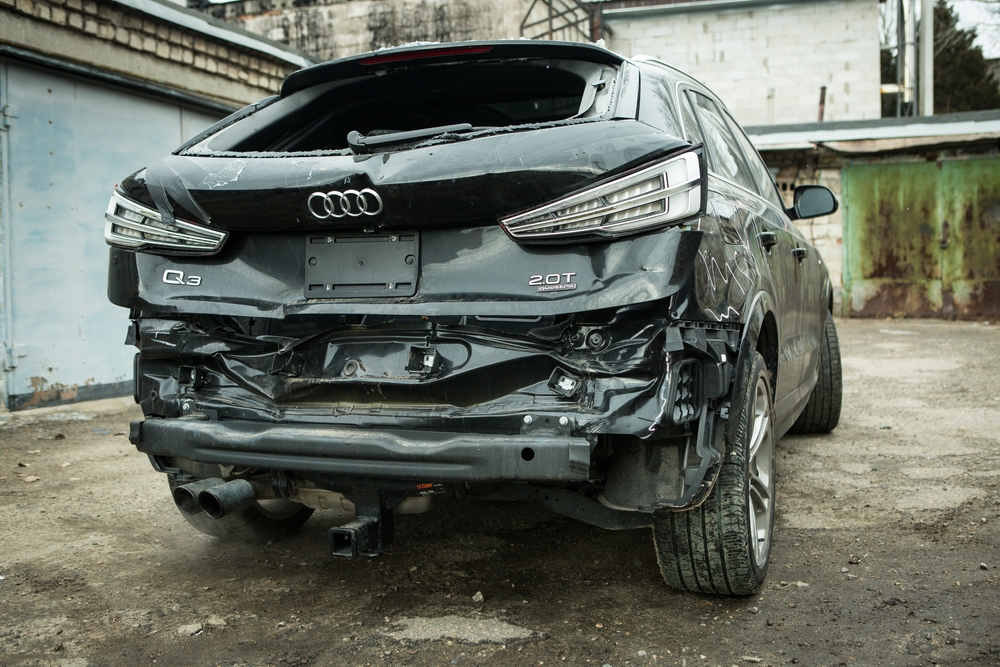
A severe collision impacts nearly every aspect of daily life. The resulting damages extend far beyond the initial emergency room visit, affecting careers, mental health, and long-term physical well-being. To pursue fair compensation, we must categorize and quantify every loss, ensuring that families are not left paying out of pocket for someone else's mistake.
Calculating Current Medical Expenses
Immediate medical care generates substantial bills within days of a crash. Ambulance rides, emergency surgeries, diagnostic imaging, and hospital stays create an overwhelming financial burden for the injured party. A personal injury claim seeks to recover all of these past and current medical expenses. We meticulously organize every hospital invoice, pharmacy receipt, and physical therapy bill to accurately reflect the financial cost of the immediate medical intervention.
Projecting Future Care and Rehabilitation
Catastrophic injuries rarely heal overnight. Many survivors require months of ongoing physical therapy, future corrective surgeries, or permanent reliance on medical equipment like wheelchairs or hospital beds. Accounting for future care requires input from medical professionals and life care planners who help our legal team project the cost of medical needs for the next five, ten, or even twenty years.
Including future medical projections in a claim protects families from future bankruptcy. It ensures that the settlement covers the lifetime cost of the injury, rather than just the bills that have arrived in the mail so far.
Recovering Lost Income and Earning Capacity
When physical injuries force a person to miss work, the sudden loss of income compounds their stress. A comprehensive claim must address the direct wages lost during the immediate recovery period. We use pay stubs, tax records, and employer statements to calculate exactly how much money was lost while the injured person was out of work.
If the injuries are severe enough to prevent a return to their previous career, we also pursue compensation for a loss of future earning capacity. Calculating lost earning capacity involves assessing the difference between what the person could have earned before the crash and what they can earn now, ensuring the injured party is compensated for the permanent disruption to their livelihood.
Quantifying Physical Pain and Emotional Distress
Not all damages come with a straightforward invoice. The physical pain of recovery and the emotional trauma of a violent collision deeply affect an individual's quality of life. Pain and suffering damages address the sleepless nights, the anxiety of returning to the road, and the inability to participate in beloved hobbies. We use personal journals and testimony from family members to illustrate how the injury has altered the victim's daily existence.
While insurance companies often try to minimize these non-economic damages, demonstrating the true human impact of the crash is vital for securing a comprehensive recovery.
Frequently Asked Questions About Borrowed Vehicle Accidents
Will my friend's insurance rates increase if I crash their car?
Yes, if you cause an accident while driving a friend's car, their insurance company will likely pay out the claim. Because their policy is primarily responsible, your friend may see an increase in their monthly insurance premiums upon renewal, as the claim goes on their insurance record.
What happens if the borrowed car is completely uninsured?
If the vehicle owner does not have insurance, the driver's personal auto policy usually steps in as the primary coverage. If neither the owner nor the driver has insurance, the injured party may need to rely on their own uninsured motorist coverage or pursue a lawsuit directly against the at-fault individuals.
Can a passenger sue both the driver and the car owner?
Yes, an injured passenger can file a claim against the driver for their negligence and the car owner's insurance policy for the primary coverage. If the owner engaged in negligent entrustment by giving the keys to an unfit driver, the passenger could hold both parties directly liable for their injuries.
Moving Forward with Confidence

Untangling the rules of liability after a collision in a friend's car is challenging, but understanding how insurance policies follow the vehicle is the first step toward protecting your rights. Being informed about permissive use and negligence helps you make sound decisions during an unpredictable time.
You do not have to handle the aggressive calls from multiple insurance adjusters on your own. Proper legal guidance can preserve your friendships, protect your finances, and keep your recovery on track. Contact Garnes Injury Law at 954-905-2683 to discuss the details of your case and learn how our firm can support your recovery journey.