How Do You File a Bodily Injury Claim in Florida?
Filing a bodily injury claim after a car accident in Florida starts with seeking medical care within 14 days, opening a Personal Injury Protection (PIP) claim through your own insurer, and documenting every detail of the crash.
A separate bodily injury claim against the at-fault driver may follow, but only when the injuries meet Florida's serious injury threshold and the filing falls within the state's deadline. A Florida car accident lawyer can evaluate whether the threshold is met and handle the steps that follow.
Filing a bodily injury claim after a car accident in Florida is a multi-step process shaped by the severity of the injuries, the timing of medical care, and the exact insurance coverage involved.
Florida operates as a no-fault state, which means the first claim almost always goes to your own insurance, and a separate bodily injury claim against the at-fault driver becomes possible only under specific conditions. A Florida car accident lawyer can map out which path applies to a given case and what documentation is required.
Talk With A Lawyer Now!
Five Points That Shape Every Florida Bodily Injury Claim
- No-fault is the starting line: The first claim is against your own insurer for the mandatory $10,000 PIP coverage, regardless of fault.
- The 14-day medical care rule is non-negotiable: PIP benefits require examination by a treating provider within 14 days of the accident.
- A bodily injury claim requires meeting a threshold: Filing against the at-fault driver requires injuries that meet Florida's serious injury standard under §627.737(2).
- The 50% bar can cut off recovery entirely: A claimant found more than 50% at fault recovers nothing, per HB 837.
- The clock now runs for two years: Claims for accidents on or after March 24, 2023, must be filed within two years of the crash date.
Why Florida's No-Fault System Shapes Every Bodily Injury Claim

Florida is one of a small group of states that uses a no-fault auto insurance system. Every driver is required to carry Personal Injury Protection coverage, and that coverage pays for the policyholder's own medical expenses and lost wages after a crash, regardless of who caused it.
How PIP Coverage Works
PIP pays 80% of reasonable medical expenses and 60% of lost wages up to the policy limit, which is typically $10,000. PIP also covers a portion of replacement services and a death benefit in certain cases. Treatment must begin within 14 days of the crash, and treatment beyond initial care often requires a finding of an "emergency medical condition" by a qualifying provider.
When the No-Fault Limit Lifts
A bodily injury claim against the at-fault driver only becomes available when the injuries meet Florida's serious injury threshold. Without that threshold, the injured person's recovery is limited to PIP and any other first-party coverage, even when the other driver was clearly at fault.
PIP vs. Bodily Injury Claim: A Side-by-Side Look
Many Florida drivers assume that any injury caused by another driver leads directly to a bodily injury claim against that driver's insurance. The reality is more layered, and understanding the difference between PIP and a bodily injury claim prevents wasted time and missed deadlines.
| Aspect | PIP (Personal Injury Protection) | Bodily Injury Claim |
|---|---|---|
| Who pays | Your own auto insurer | The at-fault driver's auto insurer |
| Fault required | No; coverage applies regardless of fault | Yes; pursued against the at-fault driver |
| What it covers | 80% of medical bills and 60% of lost wages, up to policy limits | Medical expenses, lost wages, pain and suffering, future care, and other damages |
| Florida minimum coverage | $10,000 PIP required | No mandatory minimum bodily injury coverage in Florida |
| Threshold to qualify | None | Must meet Florida's serious injury threshold under §627.737(2) |
| Pain and suffering | Not covered | Recoverable when the threshold is met |
| Filing window | File quickly; treatment must begin within 14 days | Subject to Florida's statute of limitations |
The two claim types often run in parallel. PIP handles the immediate medical bills, while a bodily injury claim addresses the broader damages once the injuries meet the threshold.
Meeting Florida's Serious Injury Threshold
The serious injury threshold is the gateway to a Florida bodily injury claim, and the standard is set by §627.737(2) of the Florida Statutes. The injuries must fit one of four categories:
- Permanent injury within reasonable medical probability: A treating physician must conclude that the injury is permanent, and that conclusion must be supported by medical evidence beyond scarring or disfigurement alone.
- Significant and permanent loss of an important bodily function: Loss of meaningful use of a limb, an organ, or a similar function may meet the threshold.
- Significant and permanent scarring or disfigurement: Scarring that is both visible and significant in nature may qualify.
- Death: A wrongful death claim falls within the threshold automatically.
A Florida car accident lawyer can review medical records, treating physician opinions, and imaging results to evaluate whether the injuries meet one of these categories and whether additional medical evaluation may be needed before filing.
Filing the Bodily Injury Claim
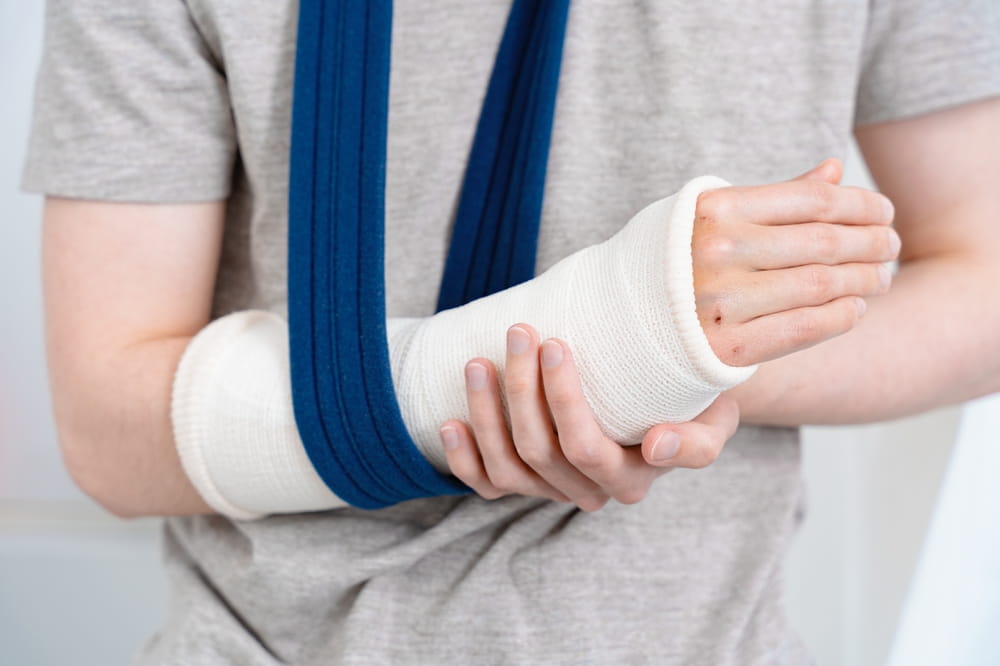
Once the threshold is met and the documentation is in place, the actual filing of a bodily injury claim moves into a defined sequence.
Notifying the At-Fault Driver's Insurer
The first formal step is notifying the at-fault driver's auto insurer of a pending claim. The notice should identify the date of the crash, the parties involved, and the basic nature of the injuries. Early notice helps preserve evidence and triggers the insurer's investigation before witnesses scatter or records become harder to obtain.
Building the Demand Package
The demand package presents the case to the insurer in a single, organized document. It typically includes a statement of liability, a summary of injuries, complete medical records and bills, wage loss documentation, photographs, and a calculation of damages. A well-prepared demand package signals that the claim is ready for litigation if the insurer refuses to negotiate fairly.
How Florida's Comparative Negligence Rule and Filing Deadlines Apply
Even a strong bodily injury claim can be reduced or barred by two specific Florida rules: comparative negligence and the statute of limitations.
Modified Comparative Negligence and the 50% Bar
Under House Bill 837 and §768.81, Florida applies a modified comparative negligence rule with a 50% bar. A claimant found 50% or less at fault recovers a reduced amount based on their share of fault, while a claimant found more than 50% at fault recovers nothing.
Insurance adjusters often try to push fault percentages upward to limit or avoid payment, which is one of the reasons careful liability documentation matters so much.
The Statute of Limitations Window
For car accidents that occurred on or after March 24, 2023, Florida's statute of limitations for negligence claims is two years from the date of the crash. Older accidents are still governed by the previous four-year deadline. Missing the deadline ends the claim regardless of how strong the underlying case may be.
Documentation That Strengthens a Florida Bodily Injury Claim

The strongest claims are built on documentation collected promptly and preserved carefully. Each piece of evidence supports a specific element of the claim.
- Police and crash reports: The official record of the accident, including the responding officer's observations and any citations issued.
- Medical records and bills: Every emergency room visit, follow-up appointment, imaging study, prescription, and therapy session belongs in the file.
- Photographs and video: Images of the vehicles, the scene, the injuries, and any property damage taken close to the time of the crash.
- Witness statements: Names, contact information, and written or recorded accounts from anyone who saw the crash or what followed.
- Wage and employment records: Pay stubs, employer letters, and tax records that document income lost during recovery.
- Communication records: Letters, emails, and notes from interactions with insurers, providers, and other involved parties.
These documents do more than support the claim. They give a Florida car accident lawyer the foundation to push back when an insurer disputes liability or downplays the injuries.
Common Reasons Florida Bodily Injury Claims Stall
Even cases with clear liability and obvious injuries can run into trouble. Knowing the common pitfalls in advance protects the claim.
- Delayed medical care: Treatment that begins after the 14-day window typically voids PIP and weakens the bodily injury claim.
- Gaps in treatment: Long stretches without medical visits give insurers room to argue that the injuries resolved or were caused by something else.
- Recorded statements without counsel: Adjusters often request recorded statements early, and answers given without legal review may later be used to dispute the claim.
- Premature settlement: Accepting an early settlement offer before the full medical picture is clear may close the door on additional recovery.
- Missing the threshold question: Filing a bodily injury claim without confirming that the injuries meet Florida's serious injury threshold can lead to denial.
Each of these issues is addressable with careful planning, and most can be avoided with timely legal guidance.
What Does a Florida Car Accident Lawyer in Bodily Injury Claims Do?
A bodily injury claim in Florida moves through layers of insurance rules, statutory definitions, and negotiation strategies that are easy to miss without legal training.
Reviewing the Threshold Question
The serious injury threshold is often the first issue a Florida car accident lawyer evaluates. A clear threshold case proceeds directly to a bodily injury claim, while a borderline case may require additional medical opinions, imaging, or specialist evaluation before any claim is filed.
Handling Negotiation and Litigation
Once the claim is filed, the attorney handles the back-and-forth with the insurer, including responding to denials, countering low offers, and preparing the case for litigation if necessary. The presence of legal counsel often changes how an insurer values and responds to a claim, particularly in cases involving high medical bills or disputed liability.
Call Garnes Injury Law Today!
FAQs for Filing a Bodily Injury Claim After a Car Accident in Florida
How long does a bodily injury claim take in Florida?
Timelines vary widely based on the severity of the injuries, the cooperation of the insurance carrier, and whether litigation becomes necessary. Treatment, threshold evaluation, demand preparation, and negotiation all take time, and rushing the process often weakens the claim.
What if the at-fault driver has no bodily injury insurance?
Florida does not require drivers to carry bodily injury coverage, so an at-fault driver may have none at all. In those cases, uninsured or underinsured motorist coverage on the injured person's own policy may apply, depending on the specific terms of that policy.
Does PIP cover passengers in the vehicle?
PIP often extends to resident relatives of the policyholder and to passengers without their own PIP coverage, depending on the specific policy. Coverage details vary, and the exact application requires a careful review of the policy language.
What if the injuries do not seem serious at first?
Florida's 14-day medical care rule applies even when injuries seem minor, and many soft-tissue and head injuries reveal themselves over time. Prompt evaluation creates a record that supports the claim if symptoms worsen.
Closing Thought: The First Two Weeks Decide Most of What Follows
A Florida bodily injury claim is built far earlier than most people realize. The medical visit during week one, the police report on the day of the crash, and the early decisions about insurance communication shape the case long before any demand letter is sent.
Almost every problem that surfaces later traces back to a small decision made in the first two weeks.
If the days after the accident raised more questions than answers, what could a careful look at the medical records, the insurance correspondence, and the threshold question reveal about a Florida bodily injury claim?
Our team at Garnes Injury Law serves clients across Miami and Miramar, offers free bilingual consultations, and is ready to walk through the timeline and the options. Call us at 954-905-2683 to talk through the details of your case.