Motor vehicle accidents remain a major public safety concern in the United States, claiming tens of thousands of lives each year and inflicting staggering economic and emotional costs. Despite decades of vehicle safety and road design improvements, recent trends point to a troubling rise in serious vehicle crashes. Behind each statistic is a family coping with loss, injury, or financial hardship.
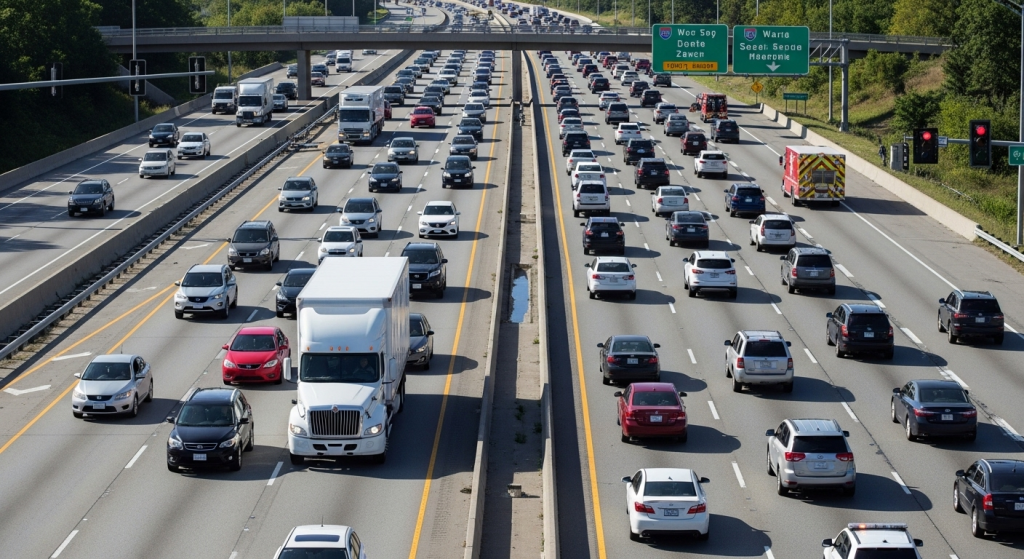
Drawing on recent data from the National Safety Council (NSC) and other authoritative sources, this post examines the recent motor vehicle fatality statistics. This overview offers a clearer picture of the dangers on our roads and the urgent need for accountability, safety reforms, and legal recourse for those harmed by accidents.
Recent U.S. Motor Vehicle Fatality Statistics
The National Safety Council (NSC) provides comprehensive data on motor vehicle fatalities in the United States, offering insights into trends, contributing factors, and their broader implications. This analysis examines key statistics from 2021 to 2023 to highlight patterns in motor vehicle deaths, associated costs, and safety challenges. The data underscores the persistent public safety issue of motor vehicle crashes and the need for legal and safety interventions for victims. Here are the key trends in motor vehicle fatalities:
Fluctuations in Death Rates
In 2021, motor vehicle deaths surged by 11 percent to 46,980, following an 8 percent increase in 2020, reflecting a post-pandemic rebound in travel. However, 2022 saw a 2 percent decrease to 46,027 deaths, marking the first decline since 2019.
By 2023, NSC estimates indicate a slight further decrease to 44,762 deaths, suggesting a stabilization but no significant reversal of the prior upward trend. This fluctuation aligns with changes in vehicle miles traveled, which increased by 8 percent in 2021 and 1.8 percent in 2022, impacting the mileage death rate, which dropped by 3.6 percent in 2022.
These shifts indicate that while travel volume influences fatalities, other factors, such as driver behavior, play a significant role. There have been several interventions seeking to address these behavioral factors to reduce deaths, even as travel increases.
Historical Progress and Recent Challenges
Since 1913, motor vehicle safety has improved dramatically, with deaths per 10,000 registered vehicles dropping 95 percent from 33 to 1.57 by 2023. Similarly, the mileage death rate decreased 93 percent from 1923 to 1.38 deaths per 100 million miles driven in 2023.
However, despite this progress, recent years show concerning reversals, with the vehicle death rate rising 11.3 percent and the mileage death rate increasing 15 percent from 2019 to 2023. This suggests that modern safety challenges, such as distracted driving or speeding, may be undermining historical gains. Sustained efforts in enforcement and education are necessary to maintain long-term improvements.
Economic and Social Costs
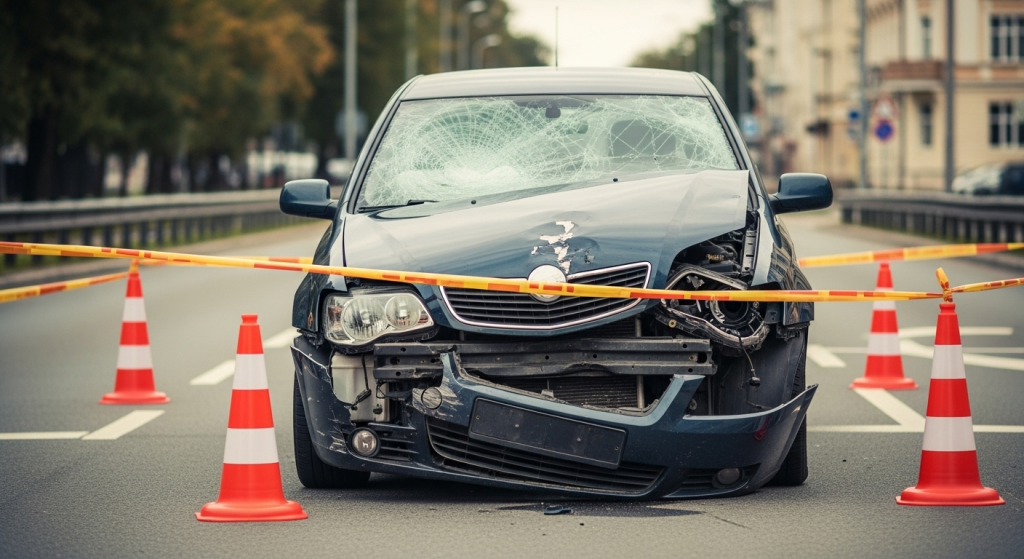
In 2022, motor vehicle crashes resulted in 5.2 million medically consulted injuries, with total costs estimated at $481.2 billion, encompassing income losses, medical expenses, administrative costs, property damage, and employer costs. In 2021, costs were even higher at $498.3 billion, reflecting the higher death toll.
On a per-death basis in 2023, the average economic cost was $11,490,000, factoring in associated nonfatal injuries and property damage. These figures highlight the immense economic burden of crashes, which affects individuals, businesses, and public resources. Measures to reduce crash frequency can alleviate these costs, freeing up resources for other societal needs.
Key Contributing Factors to Vehicle Crash Fatalities
A range of behavioral, environmental, and systemic factors contribute to motor vehicle fatalities, each presenting unique challenges to road safety. Drawing from NSC data and WHO insights, the following factors highlight preventable risks that, if addressed, can greatly diminish the incidence and severity of crashes. Targeted interventions focusing on these areas are key to improving outcomes.
Speeding
In 2023, speeding contributed to 29 percent of traffic fatalities, resulting in 11,775 deaths, or approximately 32 deaths per day. Speeding reduces reaction time, increases stopping distances, and diminishes the effectiveness of safety structures like guardrails. This persistent issue suggests that enforcement of speed limits and public awareness campaigns remain important to reducing fatalities. Stronger measures like automated speed cameras can enhance compliance and deter high-risk driving.
Distracted Driving
The NHTSA reported 3,275 deaths in distraction-affected crashes in 2023, a slight 1 percent decrease from 3,315 in 2022. Distractions, including smartphone use, eating, or interacting with passengers, divert attention from the road. The data likely underestimates the true impact due to reporting limitations. Enhanced driver education and stricter penalties for distracted driving can address this growing concern, particularly in an era of widespread smartphone use.
Alcohol Impairment
In 2023, 30 percent of traffic fatalities involved alcohol-impaired drivers (blood-alcohol content of 0.08 g/dL or higher), with this figure rising to 39 percent during the 2023 Memorial Day period. Holiday periods, like Memorial Day 2025, which estimated 443 deaths, highlight the heightened risk of impaired driving during celebrations.
Non-use of Motorcycle Helmets, Seat Belts, and Child Restraints
The WHO reports that wearing a standard motorcycle helmet reduces the risk of death by over 6 times and severe injuries like brain injury by about 74 percent. Similarly, seat belts reduce the risk of death among drivers and front-seat passengers by 50 percent, while child restraints reduce crash fatalities among infants by about 71 percent.
In the U.S., where helmet laws vary by state and seat-belt compliance is not universal, non-use remains a significant risk factor. NSC data indicates that increased compliance with these safety measures can prevent a substantial portion of fatalities. Strengthened laws and public awareness campaigns are key to improving usage rates.
Unsafe Road Infrastructure
Roads that are poorly designed or maintained are a huge safety risk, particularly in areas lacking adequate safety features. The WHO identifies inadequate road infrastructure—such as poorly marked lanes, insufficient pedestrian crossings, or lack of barriers—as a major contributor to crashes.
In the U.S., single-vehicle crashes, which accounted for a disproportionate share of fatalities in 2023, often involve hazardous road conditions. Infrastructure improvements like better signage, road lighting, and pedestrian-friendly designs can reduce crash risks. Accidents resulting from poor road infrastructure may lead to claims against government entities tasked with the duty of maintaining such roads.
Unsafe Vehicles
WHO findings show that vehicles lacking modern safety features, such as airbags, anti-lock brakes, or electronic stability control, contribute to higher crash severity. In the U.S., while newer vehicles increasingly incorporate these technologies, older or poorly maintained vehicles remain on the roads, posing risks. NSC data on single-vehicle crashes, often involving rollovers, suggests that vehicle safety standards play a role in outcomes. Mandating and incentivizing advanced safety features in all vehicles can reduce fatalities and injuries.
Inadequate Post-Crash Care
The WHO emphasizes that delays in emergency response or inadequate medical care after crashes increase the likelihood of death or long-term disability. In the U.S., rural areas, where emergency response times are often longer, see higher fatality rates per crash. Improving access to timely medical care, including better coordination of emergency services and trauma centers, can save lives. Investments in post-crash care systems are important to reducing the human toll of crashes.
Inadequate Law Enforcement of Traffic Laws
Weak enforcement of traffic laws, such as those addressing speeding, drunk driving, or helmet use, undermines safety efforts, as emphasized by the WHO. In the U.S., variations in state-level enforcement, particularly for helmet and seat belt laws, contribute to preventable deaths. For example, states without universal helmet laws see higher motorcyclist fatality rates.
Demographic and Temporal Patterns
There are certain demographic groups and time periods that are associated with higher risks of motor vehicle fatalities, revealing patterns that can inform targeted safety measures. NSC data highlights variations in crash risks by age, crash type, and timing, providing a roadmap for focused interventions to protect vulnerable populations and address high-risk scenarios. These include the following:
Age Group Variations
In 2022, the 25-44 age group experienced the highest number of motor vehicle deaths, while children under 5 had the lowest. However, the death rate per 100,000 population was highest for those 75 and older, particularly in collisions between vehicles.
Also, teen drivers (16-19) were overrepresented, accounting for 8.7 percent of all crashes and 6.5 percent of fatal crashes despite being only 3.7 percent of licensed drivers. These disparities suggest tailored interventions are needed, such as graduated licensing for teens and safety assessments for older drivers.
Crash Types and Timing
In 2023, collisions between vehicles accounted for 43 percent of fatalities but 79 percent of injuries, while single-vehicle crashes, such as hitting fixed objects or rollovers, were disproportionately fatal. Fatal crashes peaked on weekends, particularly Saturdays, and during evening hours (4 p.m. to 7:59 p.m.), with seasonal variations showing higher risks in summer months. These patterns indicate that targeted enforcement during high-risk times and locations can reduce fatalities.
The data reveals both progress and ongoing challenges in motor vehicle safety. While long-term reductions in death rates reflect advancements in vehicle technology and infrastructure, recent increases in fatalities and specific risk factors mean that there can be a continued trend of vehicle injuries and fatalities. This means that such victims would seek access to justice for the harm they sustained from negligent driving.
Legal Avenues for Seeking Justice for Vehicle Accident Victims
If you or your family has suffered due to a motor vehicle accident, pursuing legal action may be necessary to recover the losses you’ve endured. The law provides a path for victims to hold at-fault drivers, and in some cases, other negligent parties, financially responsible.
Depending on the facts, you can bring a legal claim against individuals, businesses, or even government entities responsible for unsafe road conditions. A personal injury claim is the means by which victims may pursue monetary compensation. In fatal crash cases, family members may also initiate a wrongful death claim to address the financial trauma of losing a loved one.
In accidents involving uninsured or underinsured drivers, victims often face significant challenges in recovering compensation. Many states allow victims to file claims through their own uninsured motorist coverage. Alternatively, a civil lawsuit may still be an option if the at-fault driver lacks sufficient assets. To maximize recovery, a motor vehicle accident lawyer can explore additional avenues, such as state-specific victim compensation funds.
In cases where a vehicle part was defective, such as faulty brakes or airbags that contributed to an accident, victims may pursue product liability claims against the manufacturers or retailers. These claims require demonstrating that a defect caused the crash or exacerbated injuries.
What Compensation Is Available for Vehicle Accident Victims?
The financial and personal consequences of a crash can be extensive. A successful personal injury claim provides monetary compensation for both economic and non-economic losses, including:
- Medical Expenses: Coverage for emergency care, surgeries, rehabilitation, and future medical treatment.
- Lost Earnings: If you were unable to work during recovery, you can secure compensation for the lost income or even diminished earning capacity in the case of long-term disability.
- Pain and suffering: Recovery for physical pain, car accident trauma, and diminished quality of life.
- Property Damage: Costs involving repairing or replacing the vehicle and other items destroyed in the crash.
- Wrongful Death Damages: In fatal accident cases, compensation may also cover funeral costs, lost companionship, and the deceased’s lost future income.
In rare cases involving egregious negligence, courts may award punitive damages to punish the at-fault party and deter similar behavior in the future. For example, Florida awards up to $500,000 in punitive damages or three times the compensatory award, whichever is greater. These damages are intended to address particularly reckless conduct, such as drunk-impaired crashes. A car accident attorney will assess the specific damages you suffered to evaluate the value of your claim. They will negotiate to ensure you secure compensation that can help reclaim your life.
Work With a Motor Vehicle Accident Lawyer Today

If you’ve suffered an injury or lost a loved one in a preventable crash, a motor vehicle accident attorney can help pursue justice. Legal claims involving motor vehicle accidents require careful documentation, adherence to statutory deadlines, and a professional understanding of liability laws. An experienced personal injury attorney can collect and arrange the evidence, negotiate with insurers, and push for your rights in court if necessary.
Given that your recovery and stability depend greatly on fair compensation, don’t risk settling for less than what your case is worth. Schedule a consultation with a lawyer today to discuss your legal options.