The morning sun lights up the streets as cyclists start their day, unaware of the risks they face on busy roads and quiet neighborhoods alike. Even with bike lanes and clear weather, accidents happen suddenly and can leave riders with serious injuries like broken bones, head trauma, or road rash.
A simple ride can turn into a medical and financial challenge in seconds. Every cyclist deserves support and a fair chance to recover when accidents occur. If you've suffered an injury while riding, you don't have to face the aftermath alone. Garnes Injury Law bicycle accident lawyers can help guide you through your options and protect your rights after a bicycle accident.
Key Takeaways on Common Bicycle Crashes
- Intersection accidents represent the most common type of bicycle collision, often occurring when drivers fail to see cyclists or misjudge their speed and distance
- Dooring accidents happen when parked vehicle occupants open doors into the path of passing cyclists, particularly dangerous in busy commercial areas
- Right-hook collisions occur when vehicles turn right across the path of cyclists traveling straight, frequently at intersections with bike lanes
- Rear-end accidents often result from distracted driving or drivers who don't maintain safe following distances behind cyclists on shared roadways
- Left-turn accidents involve vehicles turning left across the path of oncoming cyclists and often result in the most severe injuries due to impact speeds
- Call a bicycle accident attorney immediately after any bicycle accident to protect your rights and ensure proper investigation of the collision
High-Risk Intersections for Cyclists
Intersections are the most dangerous spots for cyclists in South Florida, responsible for nearly 70 percent of bike-vehicle crashes in cities. Busy crossroads along Commercial Boulevard or Sheridan Street create complex traffic patterns where drivers and cyclists often misjudge speed or fail to see one another.
Visibility plays a major role. Cyclists' smaller profiles can vanish behind cars, signs, or vegetation, especially at dawn or dusk in areas like Miramar and Hollywood, when many ride to and from work.
Speed differences add to the risk. While cyclists move at 15–20 mph, cars may approach at 35–45 mph, making it hard for drivers to judge safe gaps. Traffic signals designed for vehicles, not bikes, leave riders exposed when the lights change.
Dooring Accidents in Commercial Area
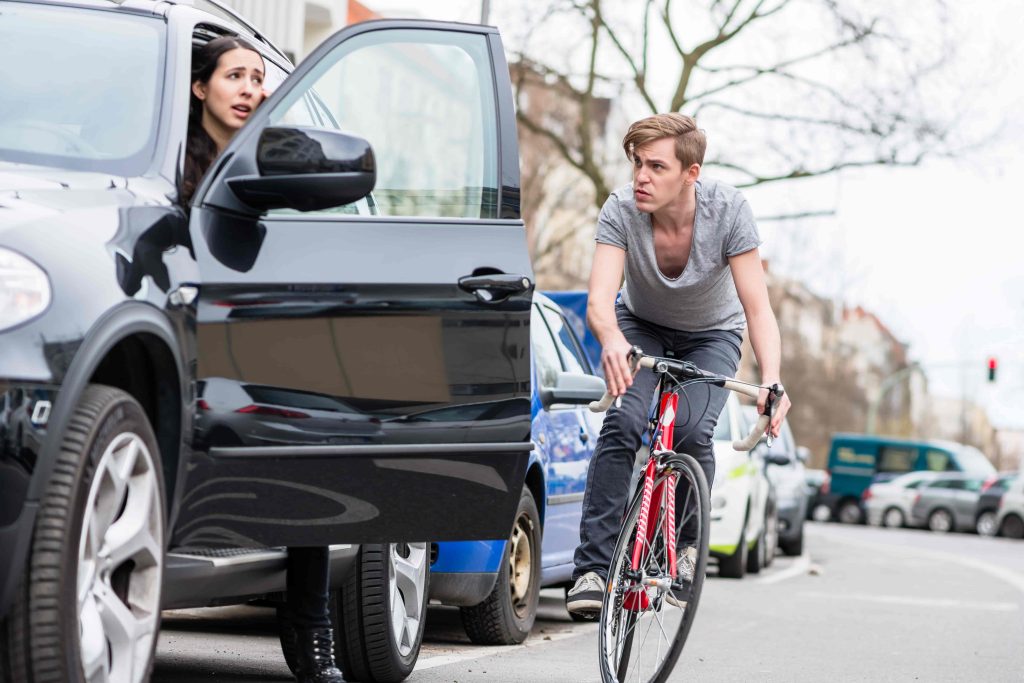
Dooring accidents are a serious hazard for cyclists in South Florida's busy commercial areas. Streets like Las Olas Boulevard, Lincoln Road, and University Drive see constant parking turnover, and drivers or passengers often step out without checking for bikes. A door can swing open in seconds, leaving cyclists no chance to swerve or stop.
The danger doesn't end with the door itself. Many riders are thrown into traffic lanes, where passing vehicles create an even greater risk. Passenger-side doors add unpredictability since children or elderly passengers may not think to look for cyclists at all.
These crashes often cause broken collarbones, head injuries, and road rash, with the potential for secondary trauma if riders are struck afterward.
Right-Hook Bicycle Collisions at Intersections
Right-hook accidents are among the most dangerous crashes for cyclists. They occur when a driver turns right across the path of a cyclist riding straight through an intersection. These collisions are especially common where bike lanes run alongside traffic lanes, putting riders directly in the path of turning vehicles.
Intersection design adds to the risk. Along major roads like Flamingo and Griffin, bike lanes often merge with right-turn lanes, creating conflict points between cyclists and cars.
Driver behavior is another factor. Many focus on vehicle traffic and miss cyclists in their peripheral vision, or they misjudge speed and distance. When large trucks or SUVs turn across a cyclist's path, the results can be catastrophic.
Rear-End Bicycle Collisions on Shared Roadways
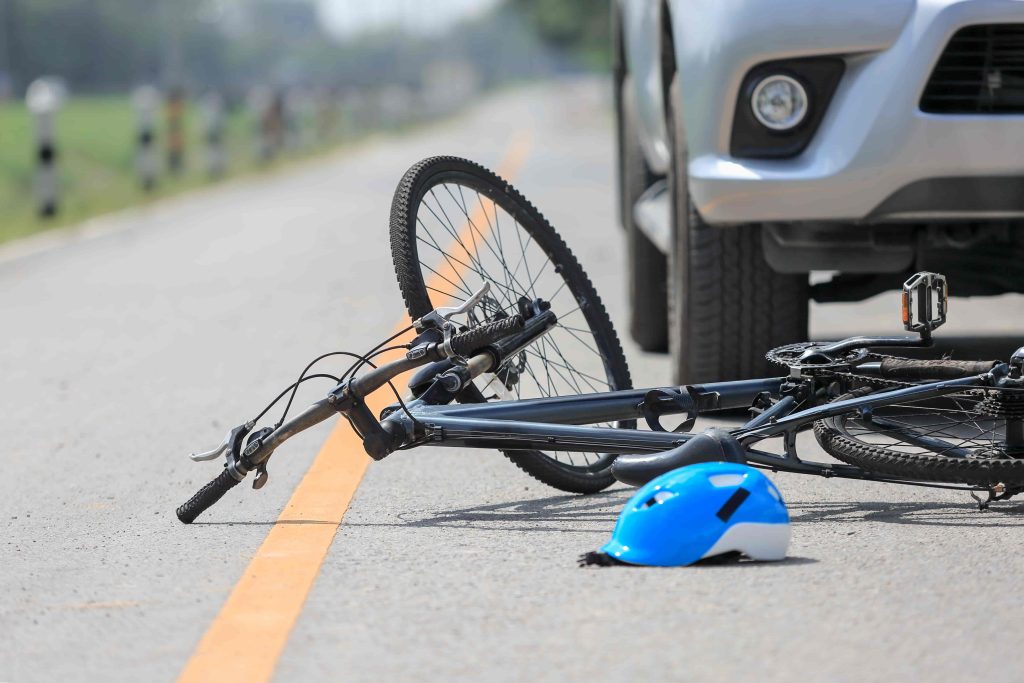
Rear-end bicycle accidents in Florida often occur on shared roads where cyclists have every right to ride but move slower than cars. These crashes usually stem from distracted driving, tailgating, or drivers who fail to notice cyclists until it is too late to stop.
With cell phones and GPS devices creating constant distractions, many drivers glance up only to find a cyclist directly ahead, leaving no time to react. The speed difference makes these crashes especially dangerous. A car traveling 35 mph striking a bike at 15 mph delivers impact forces that can cause life-threatening injuries.
Poor road conditions and limited visibility add to the risks, forcing cyclists into sudden maneuvers that drivers rarely anticipate.
Left-Turn Bicycle Accidents and Head-On Collisions
Left-turn accidents are among the most dangerous collisions for cyclists in Florida. They happen when a driver turning left fails to see an oncoming rider and cuts across their path. Because bicycles have a narrow profile, they are often overlooked when drivers are focused on finding gaps in vehicle traffic.
The impact forces in these crashes are severe. A bike moving at 15–20 mph and a car at 20–30 mph create a combined speed that can exceed 40 mph, far beyond what helmets or other protective gear can withstand.
Intersections add to the danger. Parked cars, landscaping, or other obstacles can block sight lines, while peak traffic pressure pushes drivers to turn quickly, leaving cyclists with little chance to avoid impact.
Sideswipe Bicycle Accidents and Lane Sharing Issues
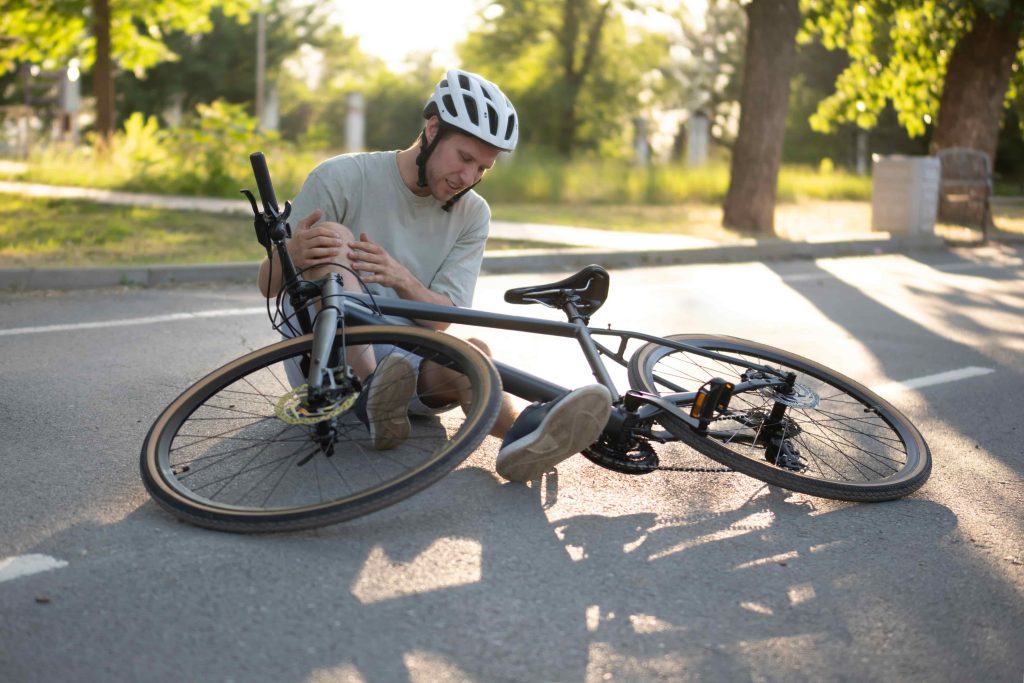
Sideswipe accidents happen when a vehicle traveling in the same direction strikes a cyclist while passing. In Florida, drivers must give at least three feet of space, yet many either misjudge the distance or overlook cyclists in blind spots. On narrow roads, where moving fully into the next lane isn't possible, the risk grows even higher.
These crashes often occur when cyclists are pushed into traffic lanes by poor road conditions, construction zones, or missing bike lanes. Impatient drivers and those unfamiliar with sharing the road make the situation worse.
Even at low speeds, sideswipe accidents can cause serious harm. Riders often fall onto hard pavement or into traffic, leading to broken bones, head injuries, and severe road rash.
Bicycle Accidents Involving Commercial Vehicles
Sharing the road with commercial vehicles in South Florida presents unique dangers for cyclists. Trucks, buses, and construction vehicles have wide blind spots where riders can disappear completely, especially during turns or when backing up. At intersections, the large turning radius of these vehicles often encroaches on bike lanes or sidewalks, putting cyclists in a dangerous position if drivers fail to notice them.
Delivery traffic adds another layer of risk. In neighborhoods across Pembroke Pines and beyond, Amazon, FedEx, and UPS trucks make constant stops, often blocking bike lanes and forcing cyclists into traffic. These sudden obstacles create unpredictable situations where accidents can happen quickly.
When crashes involve commercial vehicles, the consequences are severe. A passenger car weighs a few thousand pounds, but a fully loaded truck can reach 80,000. The impact forces in these collisions almost always result in life-changing injuries or fatalities for cyclists.
Bicycle Hazards in Construction Zones

Cycling through construction zones in South Florida often feels like navigating an obstacle course. Normal traffic patterns are disrupted, bike lanes may disappear without warning, and riders are pushed into narrow lanes alongside heavy traffic. The uneven surfaces, loose gravel, and scattered debris common in these areas make it easy for cyclists to lose control or be forced into vehicle lanes unexpectedly.
Because construction layouts are temporary, cyclists cannot rely on familiar routes. Each ride through a work zone means new hazards to assess, while drivers around them are also adjusting to changing patterns. This lack of predictability increases the risk of accidents.
Large construction vehicles add to the danger. Frequent stops, sudden backing maneuvers, and dust clouds further reduce visibility, making it harder for cyclists to stay safe. In these zones, the mix of altered roadways and unpredictable conditions puts cyclists in a particularly vulnerable position.
Weather-Related Bicycle Accidents
Cycling in South Florida comes with unique risks shaped by the region's weather. Sudden thunderstorms often roll in during the afternoon, leaving cyclists exposed miles from shelter. Heavy rain brings slick roads, where painted markings and manhole covers can become dangerously slippery, causing sudden loss of control.
Wet pavement also increases the stopping distance for both bikes and cars, making normal space between vehicles unsafe. Wind is another constant challenge. On bridges and open stretches, strong crosswinds can push riders sideways into traffic, making it nearly impossible to hold a straight line.
Visibility becomes a serious concern during downpours or fog. Drivers struggle to see cyclists, especially those in dark clothing, and the risk is even greater at dawn or dusk when light is already low. These conditions combine to create hazards that require both cyclists and drivers to be extra cautious on South Florida's roads.
The Reality of Bicycle Accidents
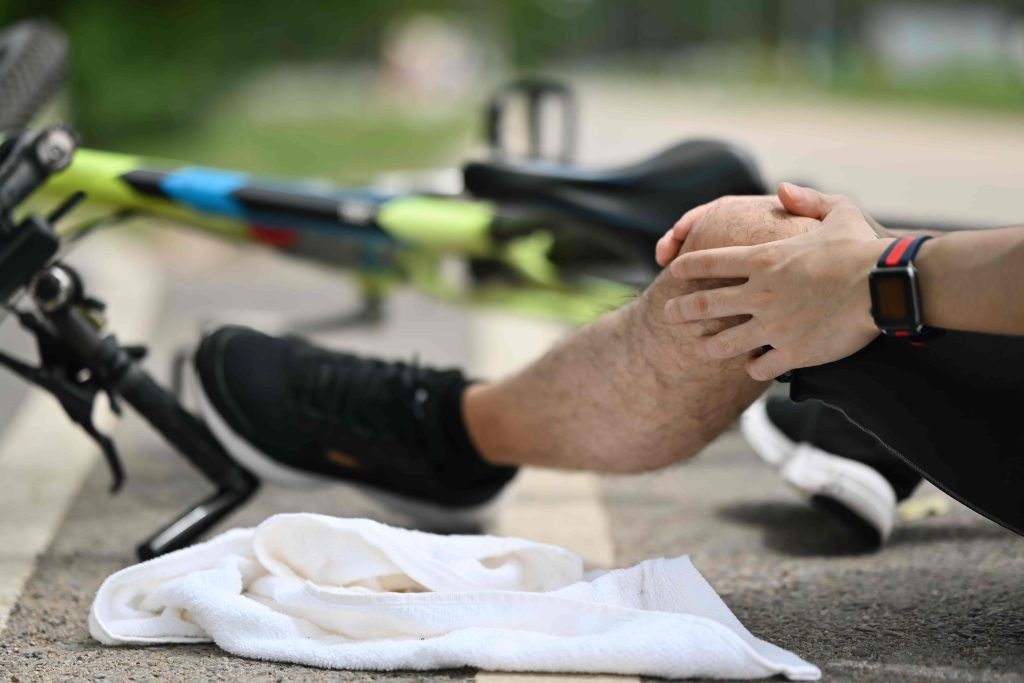
Cycling in Florida should be safe and enjoyable, yet accidents happen far too often. After a crash, many riders face not only serious injuries, but also the difficult task of dealing with insurance companies that may not treat bicycle claims fairly.
Florida law gives cyclists the right to use public roads, and drivers must leave at least three feet when passing. Still, proving a violation often depends on witnesses or video evidence that may not exist. Drivers sometimes argue they did not see the cyclist or claim the rider was reckless, even when the law is on the cyclist's side.
Insurance companies often downplay bicycle accident claims, suggesting cyclists assumed the risk by riding or contributed to their injuries. These arguments overlook Florida's clear protections for cyclists and the duty of drivers to share the road.
Protecting Yourself After a Bicycle Accident
Bicycle accidents in Florida can be sudden and overwhelming, especially on busy streets in Miami or near Clearwater Beach. Taking quick, careful steps can protect your health and your rights under Florida's unique traffic and insurance laws.
- Seek Medical Attention Promptly: Even if injuries seem minor, consult a healthcare professional immediately. Adrenaline can mask pain, and some injuries may not show up right away. Early medical records are crucial for future claims.
- Document the Scene: Take photos of your bicycle, vehicles involved, road conditions, traffic signs, and visible injuries. Florida streets and busy bike lanes can be tricky, so detailed evidence matters.
- Gather Witness Information: Collect names and contact details of anyone who saw the accident. Witnesses can support your account if drivers claim they didn't see you or that you were at fault.
- Report to Authorities: File a report with local law enforcement. An official record strengthens your case and supports claims against drivers or businesses.
- Inform Your Insurance Provider: Notify your insurer promptly. Check if your home or civil liability coverage applies if you don't have bicycle insurance.
- Consider Legal Guidance: A bicycle ancient lawyer can guide you through the claims process, ensure documentation is complete, and protect your rights.
Bicycle Accident FAQs
What should I do immediately after a bicycle accident?
Seek medical attention even for seemingly minor injuries, document the accident scene with photographs, obtain contact information from witnesses, and avoid giving statements to insurance companies without a bike accident attorney.
Can I still recover compensation if I wasn't wearing a helmet during my bicycle accident?
Yes. Not wearing a helmet doesn't prevent you from recovering compensation, though insurance companies might try to argue it contributed to your injuries to reduce their payouts.
How long do I have to file a lawsuit after a bicycle accident in Florida?
Florida's statute of limitations gives you two years from the date of your accident to file a personal injury lawsuit, though certain exceptions might apply to your specific case.
What damages can I recover after a bicycle accident?
You may be entitled to compensation for damages, including medical expenses, lost wages, pain and suffering, property damage, and future medical care related to your accident injuries.
Why should I hire a lawyer if the driver's insurance company seems willing to pay my claim?
Yes, insurance companies often make quick, low settlement offers to avoid paying full compensation, and having a bike accident attorney ensures you understand the true value of your claim before accepting any offers.
Contact a Bicycle Accident Lawyer Today
Bicycle accidents can cause serious injuries that affect your work, hobbies, and daily life. Knowing the common types of bicycle accidents helps you stay safer on South Florida roads, but accidents still happen, and injured cyclists need strong legal support to protect their rights.
At Garnes Injury Law, our bicycle accident lawyers represent cyclists across Broward County and work with medical professionals and accident reconstruction specialists to hold negligent drivers accountable.
Don't let insurance companies downplay your injuries or shift the blame. Reach out to Garnes Injury Law at (954) 905-2683 to discuss your bicycle accident claim and get help securing the compensation you need while focusing on your recovery.