After a car accident, you may face physical and emotional pain, expensive medical bills, and the inability to work. You may be entitled to compensation after being injured in a car accident caused by someone else’s negligence.
Even so, you may face resistance from the insurer of the at-fault party, who may reject your personal injury claim. A denial of your car accident claim can hinder your ability to recover from your injury-related losses.
Work with a legal professional who can protect your interests in the car accident claim. A car accident attorney can use evidence to negotiate with insurers or litigate the matter so you don’t lose your right to compensation.
If an Insurance Company Denied Your Car Accident Claim:
- Carefully review the denial letter with a lawyer to understand the insurer's specific reasons.
- Do not provide any further statements to the adjuster without consulting an attorney.
- Gather all your evidence, including the police report, photos, and medical records.
- Understand that you have the right to appeal the decision.
- An attorney can appeal the denial or file a lawsuit if necessary.
What to Do When an Insurance Company Denies Your Claim?
A denial from an insurance company after a car accident can frustrate your compensation claim. Even so, you can take specific steps to remedy the situation.
Here’s what you can do after an insurer denies your claim:
Review the Denial

First, review the denial letter carefully to understand the reasons behind the decision. Insurance companies must provide a specific, written reason for the denial. By examining the letter in detail, you can identify any discrepancies or errors that may have contributed to the denial.
Understanding the insurer's rationale will help you prepare a stronger case for your appeal.
Gather Additional Evidence
Gather all relevant documentation related to your accident and the denied claim. Examples of evidence you can use include police reports, medical records, photographs of the scene, witness statements, and any communication with the insurance company.
Having organized and comprehensive documentation will support your appeal and strengthen your argument for why the claim should be approved.
Consider Legal Representation

Consider seeking legal representation from an experienced car accident attorney. A car accident lawyer can handle the legal aspects of the appeal, negotiate with the insurance company on your behalf, and represent your interests in court if necessary.
Their knowledge and experience in car accidents can improve your chances of a successful appeal and securing the compensation you deserve.
Why Insurers Deny Claims for Late Reporting
You must report an accident promptly, but the specific rules depend on who you file a claim against:
- Your Own Insurance Company (First-Party Claim): Your policy is a contract that requires you to provide prompt notice of a claim. Waiting too long to file a claim for MedPay, PIP, or Uninsured/Underinsured Motorist coverage can lead to a denial if the delay harms the insurer's ability to investigate.
- The At-Fault Driver's Insurer (Third-Party Claim): Your deadline here is dictated by your state's statute of limitations for personal injury lawsuits, often two years or more from the accident date. While you shouldn't wait years to act, a denial based on late reporting a few weeks after the crash is less likely to hold up for a third-party claim.
Consult a car accident lawyer when faced with an insurance denial. They can evaluate the reasons for refusal and initiate an appeal.
How Can a Car Accident Lawyer Help
A car accident attorney can design a strategy to overcome the denial.
Here’s how an attorney can support you:
Legal Knowledge
One of the most significant advantages of hiring a car accident attorney is their in-depth legal knowledge and experience in dealing with insurance companies. They understand the applicable personal injury laws and can help you overcome a denial.
They will assess the denial and guide your next steps to protect your rights as an injured victim. They will also advise you so you can make suitable decisions throughout the appeal process.
Negotiation Skills
Insurance companies are notorious for minimizing payouts to claimants, even resorting to denying valid claims. A skilled car accident lawyer can negotiate effectively with insurance companies to ensure insurers do not take advantage of you.
They will assess any counter-offers by insurance companies and advise you whether to accept or negotiate for a higher value. A car accident attorney may also rely on evidence to convince the insurer why you deserve a higher settlement value.
Documentation and Evidence Gathering
Building a strong case requires thorough documentation and gathering of evidence to support your claim. A car accident attorney has the resources and experience to investigate the accident and gather supporting evidence.
For instance, they can work with an accident reconstruction expert to demonstrate that the other driver's negligent actions contributed to the accident. They may also rely on the report of a medical specialist to prove the extent of the injury and its impact on your life.
By presenting a comprehensive case supported by evidence, a car accident lawyer can strengthen your claim and increase your chances of a successful outcome.
Litigation Representation
In some cases, insurance companies may remain stubborn and refuse to offer a fair settlement, leading to litigation. If your case goes to court, having a car accident attorney representing you can make a significant difference.
A car accident lawyer will handle all aspects of the litigation process, from filing legal documents to representing you in court. Their litigation experience and courtroom skills can help them present a compelling case and advocate for your rights before a judge and jury.
How Much Does a Lawyer Cost for a Car Accident
Having a car accident attorney on your side contributes to a positive outcome. However, the potential cost of hiring a car accident attorney discourages injured victims from seeking legal assistance.
Many car accident lawyers work on a contingency-fee basis, meaning they only get paid when they secure compensation or win the case. Their fee is a percentage of the settlement value, which can vary from one car accident lawyer to another.
Here are the factors that influence the cost of hiring a car accident attorney:
- Experience and Reputation: The knowledge and reputation of a car accident lawyer can impact their fees. A highly experienced car accident attorney with a proven track record of success may demand higher rates due to the value they bring to the table. While less experienced attorneys may offer lower rates, you should consider the potential impact of a car accident lawyer who has been in the industry for a long time.
- Complexity of the Case: The complexity of your car accident case can also affect the cost of hiring a lawyer. Cases that involve multiple parties, extensive injuries, or disputed liability require more time and resources to resolve, leading to higher legal fees.
- Location: The location of the accident and the lawyer's office can also determine the cost of legal representation. A car accident lawyer practicing in urban areas or regions with a higher cost of living may charge higher fees than those in rural areas. Additionally, a case requiring legal representation in multiple jurisdictions can increase expenses.
- Resources and Support Staff: The resources and support staff available to a car accident lawyer can also influence their fees. Law firms with a large team of paralegals, researchers, and administrative staff may charge higher rates to cover these additional resources. While these costs can increase the applicable rate, they can contribute to a positive outcome.
How Much Can I Get From a Car Accident
Understanding how much you can get from a car accident can allow you to manage expectations and finances. Usually, there is no average value for a car accident. The outcome depends on the facts and circumstances of the injury.
Here are the factors that affect the value of a car accident:
Severity of an Injury
The severity of an injury has an impact on the settlement value of a car accident. The more severe your injuries are, the higher the potential value of your claim. Severe injuries typically require extensive medical treatment, resulting in higher medical bills and more time off work to recover.
For example, a broken bone may result in a larger settlement than a minor laceration because it may require a more extended recovery period, surgical interventions, and numerous follow-ups.
A severe injury can also result in pain and suffering. Severe injuries often result in more physical pain, discomfort, and overall impact on your quality of life. You may deserve a higher settlement value to compensate for the psychological effects of the injury.
For example, a traumatic brain injury that causes long-lasting cognitive difficulties will likely result in a larger pain and suffering award compared to a minor concussion.
A car accident lawyer can use different sources of information, including medical records, to prove the extent of your injuries and pursue compensation for these losses.
Shared Liability
Shared liability occurs when both parties involved in the accident share responsibility for the collision. For example, you may share liability if a speeding car runs a red light and hits you, but you were also texting and driving during the crash.
Your settlement value is likely to decrease based on your share of responsibility for the accident.
Insurance adjusters will investigate the circumstances of the accident to determine the percentage of fault assigned to each party. The higher your assigned percentage of fault, the lower your potential compensation may be.
A knowledgeable car accident attorney can help you build a strong case to challenge any unjust assignment of fault and fight for the maximum compensation you deserve.
Insurance Coverage of the At-Fault Party
The insurance coverage of the at-fault party is the source of compensation for an injured victim. Therefore, their insurance coverage can determine the settlement value you’ll receive for your injury-related losses.
If the at-fault party has no insurance or holds low insurance coverage, it can restrict the value you receive for your losses. A car accident attorney can explore additional sources of compensation, including underinsurance/uninsured coverage or filing a personal injury lawsuit against the at-fault party.
Availability of Evidence
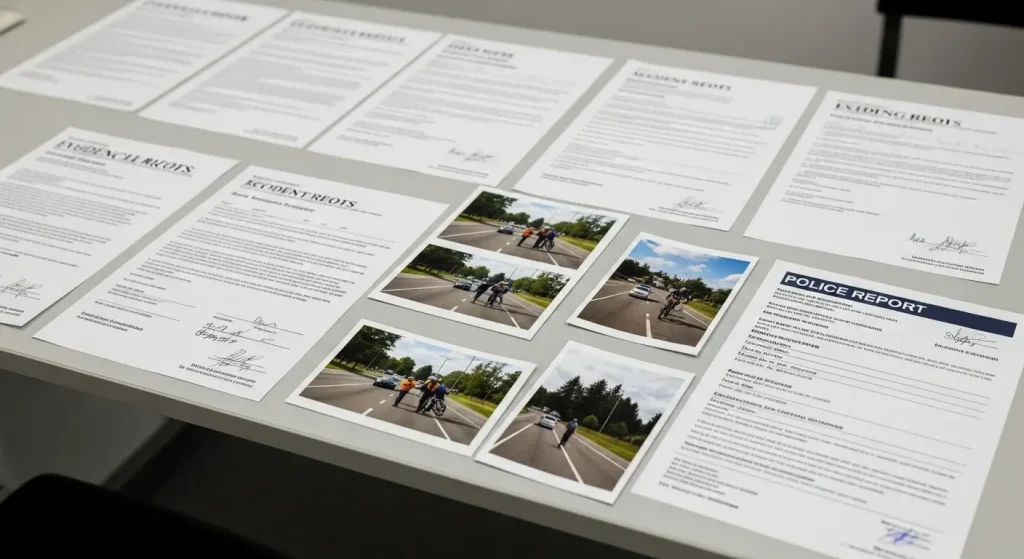
Although you may be entitled to compensation, you must demonstrate the negligent actions of the at-fault party. You must also prove the extent of your injuries and the losses associated with the car accident.
Here’s how evidence can enhance the value of your claim:
- Strength of Liability: Clear and compelling evidence, such as police reports, witness statements, and photographs, can help establish liability in your favor. These sources of evidence can strengthen your claim and increase the likelihood of a favorable outcome.
- Extent of Damages: Medical records, bills, and other documentation detailing your injuries and treatment can provide concrete evidence of the damages you have suffered. The more extensive and well-documented your injuries are, the higher the potential value of your claim.
- Demonstrating Impact: Evidence showing the impact of the accident on your daily life, such as lost earnings, disability accommodations, or therapy sessions, can further support your claim for compensation.
A car accident lawyer can use different sources of evidence to prove liability, demonstrate the impact of your losses, and push for a settlement value that covers your losses.
Questions and Answers About Car Accident Insurance Claim Denials
What if the insurance company is ignoring me instead of denying my claim?
An insurance company that goes silent or uses endless delay tactics may act in bad faith.
In many states, insurers have a legal duty to handle claims reasonably and promptly. If an adjuster ignores your calls and letters, an attorney can send a formal demand letter on your behalf, which often compels a response.
If the insurer continues to act improperly, you may have grounds for a separate bad faith insurance claim besides your original accident claim.
Why can’t I handle the appeal process without a lawyer?
The insurance company's adjusters and lawyers handle these disputes every day. They understand the nuances of the policy language and state law.
A person without this experience may unintentionally say something that harms their case or accept an unfair final offer.
An attorney can level the playing field, manage all communication, and ensure your claim is presented in the strongest possible way.
Does fighting a claim denial mean I must go to court?
Not at all. In fact, most personal injury claims settle out of court. Hiring an attorney often signals to the insurance company that you are serious about pursuing your claim. This can lead to more productive negotiations.
An experienced lawyer will prepare your case as if it is going to trial, but the primary goal is often to leverage that preparation to achieve a fair settlement without ever needing to step into a courtroom.
What is the difference between a denial for my vehicle damage and my injury claim?
These are two separate parts of your claim: property damage and bodily injury. A denial of one does not automatically mean a denial of the other.
Sometimes an insurer will agree to pay for your car repairs quickly but will fight the injury portion of the claim, arguing your injuries aren't as severe as you say or weren't caused by the crash.
You want a lawyer to fully address both aspects of your claim.
Take Control of Your Claim Denial: Call a Car Accident Lawyer Near You Today
A claim denial from an insurance company is not the final word. It is the start of a negotiation. By understanding the reasons for the denial, gathering strong evidence, and working with experienced legal counsel, you can challenge the insurer's decision and protect your right to compensation.
A car accident attorney can handle the complexities of the appeals process and, if necessary, represent you in court, allowing you to focus on your recovery.