No one plans for a car accident. There’s no checklist in your glove compartment describing the exact steps you need to take after a devastating collision. Every traffic accident is also unique. Responding to fender-benders in no-fault states might be completely different than responding to criminal drunk-driving crashes.
If multiple car insurance companies are harassing you while you’re struggling with pain, medical expenses, and unmanageable lost income, contact a local personal injury law firm. Their legal professionals might gather evidence, file insurance claims, and obtain needed medical and lost income compensation for you following a car accident. Experienced attorneys know how overwhelming it can be to deal with doctors, insurers, and employers in the weeks following a motor vehicle collision. Consider the following post-accident guidelines if you’re unsure what to do after a car crash.
Step 1: Seek Medical Treatment
Motor vehicle accidents are the leading cause of death and serious accidental injuries in the United States. You should always seek immediate medical treatment following a car crash by going to an emergency room or local walk-in clinic. Even if you’re not in pain, the adrenaline rush often associated with collisions can mask the initial severity of your injuries. Obtaining a full-body exam, including undergoing all necessary diagnostic testing, is essential for catching latent and potentially life-threatening car accident injuries. It also creates a direct link between the collision and your injuries. If you wait to go to the doctor, you can jeopardize your insurance claims and entitlement to financial compensation.
You might demand personal injury damages if you suffered from one of the following common car crash injuries:
- Fractures: The angle and impact force associated with motor vehicle accidents may result in disabling wrist, knee, skull, and spinal cord fractures. Large broken bones, such as femurs, might require surgery and can even result in amputations.
- Traumatic Brain Injuries (TBI): Brain injuries can range from minor concussions to fatal diffuse axonal injuries. However, take all head injuries seriously. Even mild concussions can result in post-concussion syndrome and cognitive impairment. Always obtain a full medical workup and speak to a lawyer if you hit your head during a car accident.
- Burns: Sudden car fires or accidents ejecting claimants from vehicles can result in significant burn injuries. Even painful friction burns (road rash) might require extensive medical and cosmetic treatment. Although insurance might deny your cosmetic claims, an experienced car accident lawyer can demand damages from liable parties for the treatment necessary to restore your appearance.
- Paralysis: Severe spinal cord damage from high-speed motor vehicle accidents can permanently damage your central nervous system, resulting in paralysis. Claimants paralyzed in motor vehicle accidents often require lifetime care and may be entitled to insurance payouts. You should immediately connect with a lawyer to protect your right to damages if you or a loved one was paralyzed in a car crash.
- Slipped Discs: Traffic accidents most often cause back and neck pain from slipped or herniated discs. Although not always life-threatening, the pain, nerve pressure, and discomfort associated with these injuries may cause complete or partial disability. Many car accident victims struggle with activities of daily living due to back pain, such as sitting or standing, preventing them from working.
- Post-Traumatic Stress Disorder (PTSD): It’s normal to suffer from anxiety disorders such as PTSD in the weeks and months following a serious car accident. You might relive the event or struggle with nightmares and anxiety while driving. Liable insurers must cover necessary therapy and medications for trauma-induced mental health conditions.
You should continue treating your car accident injuries until you reach maximum medical improvement. If you stop treatment, it gives liable auto insurers grounds to substantially reduce your overall settlement award or deny coverage. Always work with your doctor, chiropractor, and physical therapist on a treatment plan and discuss your options for obtaining medical damages with a local personal injury lawyer.
Step 2: Call the Police and Gather Evidence
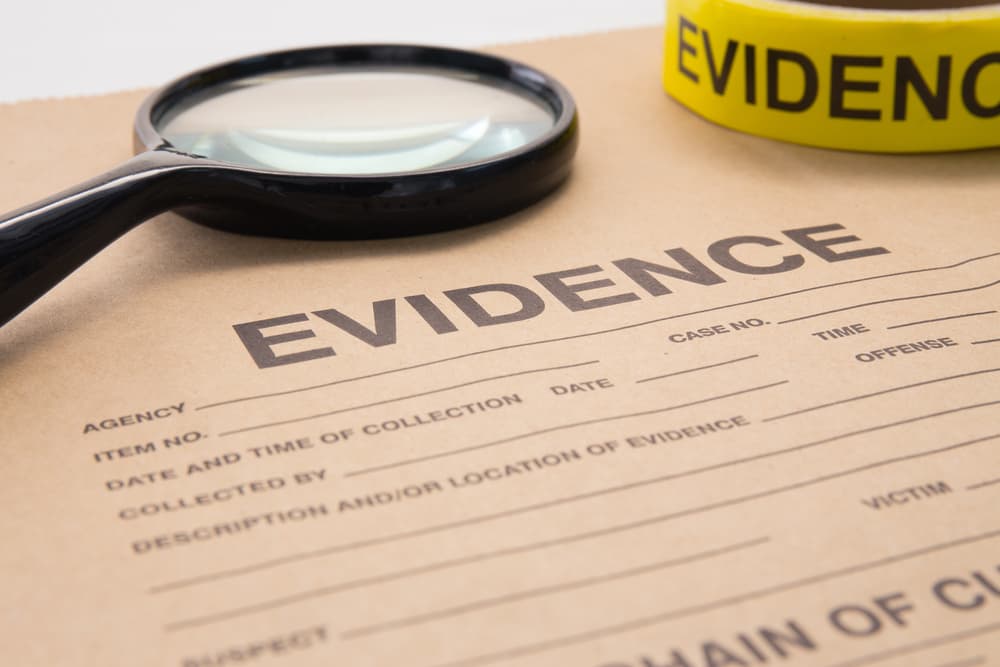
After obtaining needed emergency medical care, work with local counsel to preserve essential evidence of liability. Many homes and businesses have security cameras, which frequently catch traffic accidents. Ensure you obtain this video footage before it’s deleted or recorded over. Likewise, witnesses might quickly disappear or forget accident details. A car accident attorney can retain a private investigator to quickly track down witnesses, obtain sworn testimony, and preserve critical video evidence.
Although often inconvenient, you should always call the police after a car accident. Most insurance companies do not take personal injury claims seriously if you do not contact law enforcement. Police officers will review the accident scene, interview witnesses, take photographs, and even render their opinions on liability. If you disagree with the police officer’s opinion or did not contact law enforcement, do not panic. Most states give claimants additional time to file traffic accident reports or request amended police reports based on additional evidence. An attorney might help you document the accident in the days and weeks following the collision.
Step 3: File Insurance Claims
While you should contact an attorney before speaking with insurers, many claimants file their initial insurance claims first. However, wait until you’re thinking clearly before making a statement. Anything you say to insurance adjusters can be used against you, and many claimants give testimony while they’re still emotional about the crash. Even admitting that you ‘feel fine’ or ‘ok’ after a car accident might impact your ability to recover compensation.
No-Fault Claims
You might begin by filing a no-fault or personal injury protection (PIP) claim, which is required coverage in some states. No-fault insurance provides essential medical and lost income coverage to car accident victims regardless of fault, meaning you only need to submit evidence that you suffered car accident injuries. Car accident attorneys often help their clients file no-fault claims to ensure they receive all available benefits during the settlement and litigation process.
Bodily Injury (Liability) Claims
You should retain legal counsel before speaking with the other driver’s insurance provider. Liability adjusters are looking for ways to deny or reduce their company’s financial exposure, and they may disagree with your version of events. Most viable car accident claims settle with the liable insurer, so you should have an attorney prepare any statements or evidentiary submissions to the negligent driver’s insurance company. You do not have to speak with liability adjusters without a lawyer present, and reputable personal injury law firms might handle these claims for you.
Property Damage Claims
Unlike bodily injury claims, your auto insurance company might immediately pay for vehicle repairs and a rental car regardless of fault. Your adjuster may then demand compensation from the negligent driver’s insurer. During this process, appraisers will generally photograph vehicle damage before estimating repair costs. An attorney can use these photographs and the expert mechanic’s opinion to prove liability during the bodily injury claims process.
Uninsured Motorist/Underinsured Motorist Claims
If you exhaust the liable driver’s insurance policy but have additional damages, an attorney can demand compensation from your underinsured motorist (UIM) policy. Many drivers are also required to carry uninsured motorist (UM) coverage. UM coverage kicks in if the negligent driver fled the scene or did not carry car insurance. Even though this coverage comes from your own policy, you must still prove you’re entitled to damages. This is not no-fault insurance, so you should always contact a car accident lawyer before filing UM/UIM claims.
Third-Party Claims
In many car accident cases, the negligent driver isn’t the only liable party. Multiple individuals or entities may be responsible for your injuries, including the following:
- Vehicle owner
- Another driver (chain-reaction crashes)
- Vehicle manufacturer
- Driver’s employer
- Rideshare company
- Commercial trucking company
- Repair shop
- Public entity
- Bars and restaurants serving alcohol
Some parties, such as vehicle owners and employers, are vicariously liable for damages caused by negligent drivers. Commercial trucking and rideshare companies might also bear liability for negligent hiring. Defective cars, car parts, and vehicle repairs might also contribute to a crash. In some cases, negligent roadway designs or dangerous defects, such as potholes, can support claims against public entities. You should hire an attorney to file liability claims against third parties, especially in multi-vehicle, drunk driving, and municipal liability cases.
Step 4: Call a Car Accident Lawyer Near You
Calling a lawyer is a big step, and it’s not always necessary after minor car accidents. However, reputable personal injury law firms are often willing to help claimants understand what to do after a car crash. There is often no cost associated with calling a local car accident attorney because most personal injury lawyers accept cases on a contingency fee basis. This means they do not get paid unless they recover needed compensation in your case. They may even front all initial investigation and litigation expenses. Once you recover compensation, generally from insurance settlements, your attorney takes a percentage of the settlement as their fee.
All legal consultations, including inquiry calls, are also completely confidential. There is no financial or personal risk associated with contacting legal counsel after a car crash, and it often has significant results. Retaining a reputable local lawyer can immediately increase your initial settlement offer, and attorneys can fight unjust liability determinations. Additionally, a car accident lawyer may identify liable third parties to ensure you’re receiving the maximum available compensation. Law firms also handle most administrative matters related to your case, including requesting evidence, making insurance claims, and responding to discovery demands. This allows you to focus on recovering from your injuries while they focus on obtaining valuable compensation from liable drivers.
Step 5: Recover Financial Compensation

Victims injured by negligent drivers may be entitled to substantial personal injury damages. This depends on how the state determines liability, the severity of your injuries, and the specific facts of your case. Most innocent car accident claimants can demand the following compensation.
Medical Expenses
You may recover damages for all reasonable and necessary medical expenses related to your accident injuries. This might include hospital and surgical costs, doctors’ bills, rehabilitation expenses, home nursing fees, and reimbursement for medications and medical equipment. You can also obtain damages for the cost of household help and necessary home modifications, such as installing a wheelchair ramp. In disabling injury cases, experienced personal injury lawyers will retain medical and economic experts to estimate the cost of future care. This allows legal counsel to demand insurance compensation now to cover future expenses.
Lost Income and Benefits
If your injury prevents you from working, you may demand the value of your lost earnings, commissions, and bonuses. Additionally, you can also obtain damages for lost earning capacity and promotions. This allows claimants who can no longer work full time due to their injuries (or who lost a valuable promotion) to recover partial damages. A lawyer might also demand compensation for the value of lost workplace benefits, for example, if you lost employer-sponsored health insurance because you can no longer work full-time.
Pain and Suffering (Non-Economic Damages)
Almost also states allow personal injury claimants to demand non-economic damages, including compensation for the following:
- Emotional suffering
- Physical pain
- Lost enjoyment of life
- Inconvenience
Claimants required to attend physical therapy twelve times per week are extremely inconvenienced by these necessary medical appointments. An experienced attorney can demand damages for this frustration. Your lawyer might also request compensation if you were extremely physically active before the accident and can no longer enjoy your previous hobbies. Do not settle insurance claims without demanding compensation for these real but often incalculable losses. They are sometimes the most difficult part of recovering from serious car accident injuries.
Not Sure What to Do After a Car Accident? Call a Personal Injury Lawyer Near You
Personal injury lawyers handle serious car accident cases and will be familiar with the claims process in your jurisdiction. They also understand state insurance laws and might help you immediately obtain needed financial damages after a devastating car crash. If you’re unsure what to do, don’t be afraid to contact a local car accident lawyer near you.