What Should I Do After a Hit And Run In Pembroke Pines?
After a hit and run, stay at the scene, call 911, get medical care quickly, report the crash to your insurance company, and contact a Pembroke Pines injury lawyer to help protect your claim.
The driver who hit you is gone. The vehicle is out of sight, witnesses are starting to drive off, and the question of who pays for the damage and the medical bills suddenly belongs entirely to you.
A hit and run accident, Florida law treats as a criminal offense for the fleeing driver and a particularly complex civil matter for the victim. The evidence trail is thin and time-sensitive, and the steps that follow in the next minutes, hours, and weeks decide whether the case can be built at all.
Talk With A Lawyer Now!
What You Should Know
- The scene comes first: Staying put, calling 911, and documenting the fleeing vehicle within the first 30 minutes shape every step that follows.
- PIP has a 14-day deadline: Florida law requires initial medical care within 14 days for personal injury protection benefits to apply.
- Uninsured motorist coverage is the primary path: When the at-fault driver is gone or uninsured, the victim's own UM policy usually becomes the main source of recovery.
- Florida criminalizes the act: Leaving with property damage is a misdemeanor; leaving with injury or death is a felony with serious prison exposure.
- The two-year window starts on the day of the crash: The statute of limitations under HB 837 keeps running even when the other driver has not been identified.
At the Scene: The First 30 Minutes

The scene of a hit and run is chaotic, and the impulse to chase the fleeing driver or leave quietly is strong. Neither helps.
Stay Put And Call 911
Florida law requires drivers involved in any crash with injury, death, or property damage to remain at the scene. The 911 call creates the official record, and a responding officer from the Pembroke Pines Police Department or Florida Highway Patrol generates the crash report the entire claim later relies on.
Capture Every Detail Of The Fleeing Vehicle
Anything observed about the other vehicle should be recorded into a phone within the first few minutes, before memory softens:
- License plate, even a partial reading
- Vehicle make, model, color, and any visible damage
- Direction the vehicle headed after the crash
- Stickers, dents, or other identifying marks
- A description of the driver, if seen
Photograph The Scene And Any Visible Injuries
Photos of the vehicle position, debris field, skid marks, traffic signals, and visible injuries are some of the most valuable evidence in a hit-and-run claim. They fix the scene in time before road crews or weather erase it.
Talk To Witnesses Before They Leave
Witnesses scatter quickly. A name, phone number, and short description of what each person saw is often the difference between a provable claim and a dead end.
Do Not Chase The Other Driver
Following the fleeing vehicle creates serious risk and rarely helps the case. Police are equipped to track the vehicle. The victim's role is to stay at the scene and secure evidence.
The First 24 Hours After a Pembroke Pines Hit-and-Run
The hours immediately after the crash are when the legal foundation is laid, and most of this work happens away from the scene.
Seek Medical Evaluation, Even If The Injury Feels Minor
Adrenaline masks pain, and soft-tissue injuries routinely surface 24 to 72 hours later. A documented medical visit on the day of the crash ties the injury to the collision and starts the PIP timeline cleanly.
File The Formal Police Report
If an officer responded, the report is generated automatically. If not, the driver must self-report the crash to the Florida Department of Highway Safety and Motor Vehicles under §316.066 within 10 days when the crash involves injury, death, or property damage of $500 or more. After a hit and run Pembroke Pines residents often need to follow up with the responding agency to confirm the report number.
Notify The Auto Insurance Carrier Promptly
Most Florida auto policies require prompt notice of any accident, including a hit and run. Delayed notice can give the carrier grounds to deny coverage later, including under the policy's UM portion.
Preserve Every Piece Of Evidence
Photos, dashcam footage, the clothing worn during the crash, any debris recovered, and a written timeline of events should be set aside in one place.
The First Week: Building the Claim
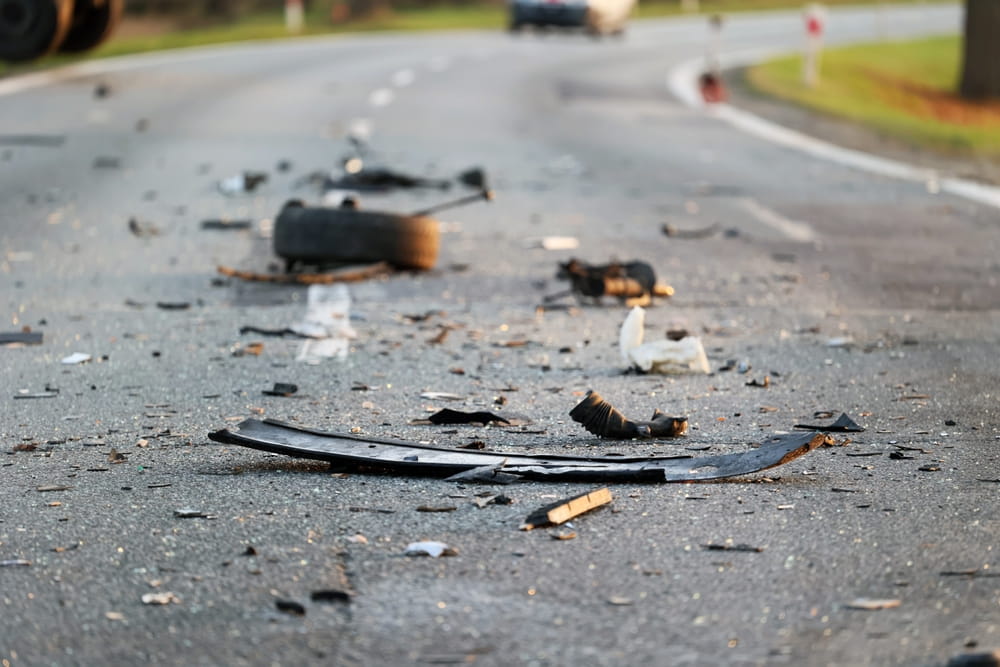
The first week is when the investigation either gains momentum or stalls.
Begin Medical Care Within 14 Days
Florida's no-fault statute under §627.736 requires the injured driver to receive initial medical care within 14 days of the crash for PIP coverage to apply. Waiting longer voids PIP entirely.
Request The Official Crash Report
The crash report typically becomes available 7 to 10 days after the incident. The report number assigned by the responding agency is the key to ordering it.
Check The Nearby Surveillance Footage Immediately
Businesses, traffic cameras, and home security systems along the route of the fleeing vehicle often capture the make, model, or plate the victim missed. Most systems overwrite within 7 to 30 days, so requests need to go out within the first week.
Document Continuing Symptoms
Soft-tissue injuries, concussions, and back strains often worsen over the first several days. A daily log of pain levels, restricted activities, and missed work creates the contemporaneous record that supports the claim later.
The First 30 Days and Beyond
Once the immediate steps are handled, the claim shifts into a longer rhythm of treatment, documentation, and negotiation.
Continue treatment without gaps
Insurance carriers look for breaks in treatment as a reason to argue the injury was not serious. Consistent follow-up appointments protect the medical record.
Track every expense and lost workday
Medical bills, prescription costs, mileage to appointments, missed shifts, and out-of-pocket costs all add to the value of the claim. A simple spreadsheet keeps them organized.
Avoid recorded statements with any insurance carrier
Adjusters, including from the victim's own carrier, frequently request recorded statements within the first weeks. Anything said during that call can be used to argue the claim should be reduced.
Consider Legal Counsel Early
A hit-and-run case has more moving parts than a typical crash, including the criminal investigation, possible identification weeks later, and the UM coverage question. Early legal involvement keeps the file from falling apart.
Florida Hit-and-Run Laws You Should Know

Florida treats leaving the scene with particular severity, since fleeing compounds the underlying negligence.
Leaving The Scene With Property Damage (§316.061)
Under §316.061, leaving a crash involving only property damage is a second-degree misdemeanor, punishable by up to 60 days in jail and a $500 fine.
Leaving The Scene With Injury Or Death (§316.027)
Leaving a crash with injury is a felony under §316.027. Serious bodily injury raises it to a second-degree felony, and a fatality where the driver knew or should have known carries a first-degree felony charge with mandatory minimum prison time.
The Two-Year Statute Of Limitations
Florida HB 837, signed on March 24, 2023, shortened the personal injury filing window from four years to two. Under Florida Statute §95.11, most negligence claims arising on or after that date must be filed within two years of the crash. The clock does not pause while law enforcement searches for the fleeing driver.
Insurance Coverage When the At-Fault Driver Is Gone
The most pressing question after a hit-and-run is who pays for the medical bills and vehicle damage. Several layers of coverage on the victim's own policy typically come into play.
Uninsured Motorist Coverage
A hit-and-run uninsured motorist Florida claim relies on the victim's own UM coverage when the at-fault driver cannot be identified or carries no insurance. UM is optional in Florida but commonly carried, and the policy needs a careful review to confirm limits and exclusions.
Personal Injury Protection
PIP pays the first $10,000 of medical bills and a portion of lost wages regardless of fault, as long as initial care is received within 14 days.
Collision Coverage
Collision coverage typically pays for vehicle damage when the at-fault driver is unknown, subject to the deductible. This claim moves on its own track, separate from the bodily injury claim.
Key Hit-and-Run Deadlines at a Glance
The deadlines below come from Florida statutes and most auto insurance policies. Missing any of them weakens or closes the related claim.
| Required Action | When It Applies | Deadline | Source |
|---|---|---|---|
| Begin medical care for PIP eligibility | Any injury claim under Florida no-fault | Within 14 days of the crash | §627.736 |
| File a written self-report with FLHSMV | Crash with injury, death, or property damage of $500+ when no officer files a report | Within 10 days of the crash | §316.066 |
| Notify the auto insurance carrier | Any accident under most Florida auto policies | Promptly, as defined by the policy | Policy contract terms |
| File a bodily injury lawsuit | Negligence claims for crashes on or after March 24, 2023 | Within 2 years of the crash | §95.11 (per HB 837) |
| Provide written notice to a government entity | Claims involving city, county, or state vehicles or property | Within 3 years (notice), 4 years (suit) | §768.28 |
A delay on any one of these deadlines often weakens the others.
FAQ for Pembroke Pines Hit-and-Run Cases
What if the fleeing driver is never identified?
The case is still recoverable through the victim's own uninsured motorist coverage, assuming UM was on the policy at the time of the crash.
Will my insurance rates go up if I file a UM claim after a hit-and-run?
Florida law restricts an insurance carrier's ability to raise rates on a policyholder who was not at fault. A UM claim after a hit and run typically falls within that protection.
Can I sue the fleeing driver if they are eventually identified?
Yes. The two-year statute of limitations under HB 837 runs from the date of the crash, not the date of identification. The criminal case is separate from the civil claim.
What happens if I left the scene briefly to get help?
Florida law allows drivers to leave briefly when necessary to render aid or call for help, as long as they return promptly. The situation should be discussed with a law firm before making any statement to police.
Do I need a lawyer for a hit-and-run case?
A hit-and-run is one of the hardest injury claims to handle alone because of the criminal investigation, the UM coverage question, and the evidentiary challenges. Early counsel keeps the investigation moving and the file complete.
Closing Thought: The First Steps Decide the Case
The driver who fled is gone, but the evidence trail left behind is still there for a short window. The photos, the witness names, the surveillance footage, and the medical record built in the first weeks are what eventually answer the question of who pays.
If a recent crash has already raised questions about how to recover when the other driver is gone, what could a careful look at the police report, the medical timeline, and the insurance policy reveal?
Our team at Garnes Injury Law serves Pembroke Pines, Miramar, and Miami, offers free bilingual consultations, and is ready to evaluate the options that may still be open.
Call us at 954-905-2683 to talk through the specifics of your case.
This is for informational purposes only and is not legal advice.