Of the millions of traffic accidents that occur each year, rear-end collisions are one of the most frequent types. For drivers in Pembroke Pines, that startling jolt can come without warning on a major road like Flamingo Road or even in a parking lot. When a car hits you from behind, the experience leaves you with more than just a damaged vehicle; it brings a wave of physical pain, emotional stress, financial concerns, and especially questions about what to do next. Contact our car accident lawyers in Pembroke Pines today!
Your First Steps Toward Recovery
After the immediate chaos of an accident scene, getting home can feel like a relief. However, this is when the real work of recovery begins. Your health is the absolute priority. Even if you feel you were not seriously hurt, some of the most common injuries in rear-end crashes can take hours or even days to become apparent.
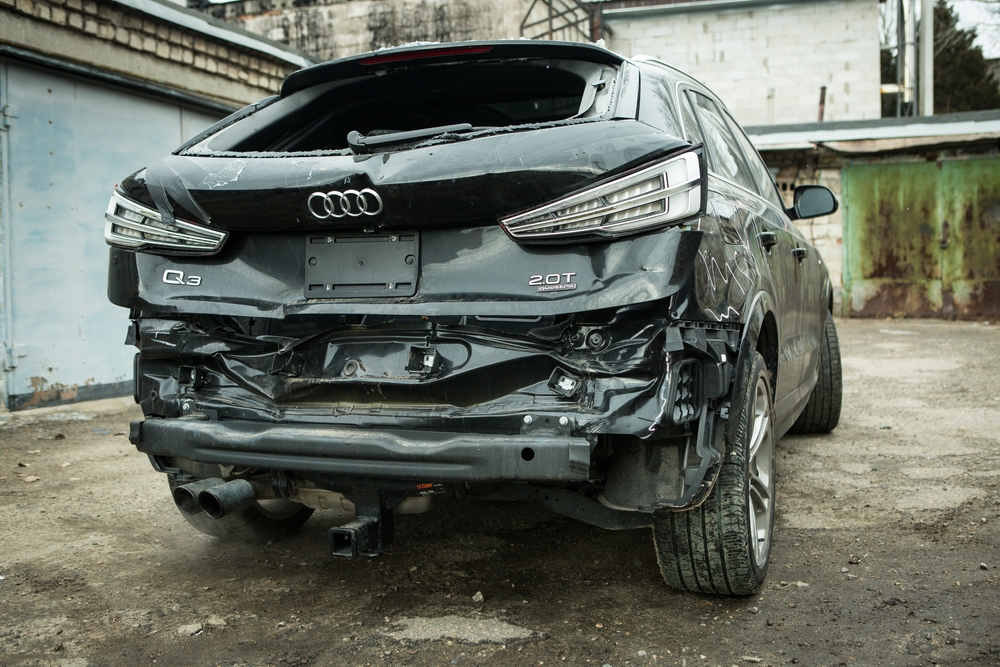
It is critical to seek a medical evaluation as soon as possible after the accident. In Florida, you generally have only 14 days from the date of the accident to seek initial medical treatment to be able to use your Personal Injury Protection (PIP) benefits. PIP is a type of insurance coverage that is required for most drivers in Florida, and it helps cover your initial medical bills and lost wages, regardless of who was at fault for the accident.
A doctor can diagnose underlying issues like whiplash or a concussion that you might not notice right away. Following their prescribed treatment plan, whether it involves rest, physical therapy, or follow-up appointments, is essential for your recovery.
Understanding Fault in a Florida Rear-End Collision
A common question after being hit from behind is, "Who is at fault?" In Florida, there is a legal concept called a presumption of negligence. In simple terms, this means that in a rear-end collision, the law presumes, or assumes, that the driver in the back was at fault. The reasoning is that every driver has a duty to maintain a safe following distance and be prepared to stop if the car in front of them does. The driver who hit you is typically considered negligent, which means they failed to act with reasonable care.
However, this presumption is not absolute. The rear driver can try to argue that the front driver was partially or fully responsible for the crash. While uncommon, there are some situations where the front driver might share some of the fault.
- The lead car’s brake lights or taillights were broken, and the rear driver could not tell they were stopping.
- The lead driver made a sudden, illegal, or unsafe stop for no apparent reason.
- The lead driver cut off the rear driver and then immediately slammed on the brakes.
- The lead driver put their car in reverse and backed into the car behind them.
These situations can complicate a claim. Florida follows a rule called comparative negligence. This means that if you are found to be partially at fault for the accident, any financial compensation you might receive could be reduced by your percentage of fault.
For example, if you are found to be 10% at fault for the crash, the total compensation you could recover would be reduced by 10%. Because of these complexities, understanding exactly how fault is determined is a key part of any car accident claim.
Why Even "Minor" Rear-End Accidents Can Cause Serious Injuries
It is a dangerous mistake to assume that just because there is not much damage to your car, you could not have been seriously hurt. The bumpers on modern cars are designed to absorb impact, but your body is not. Even a low-speed collision in a parking lot at a place like Pembroke Lakes Mall can generate enough force to cause significant and lasting injuries. Your body can be violently thrown forward and backward, leading to a range of physical problems.
Some of the most common injuries that result from a car hitting you from behind include:

- Whiplash and Soft Tissue Injuries: This is the most frequent injury in a rear-end crash. It happens when your head violently snaps backward and then forward, like the cracking of a whip. This motion can stretch and tear the muscles, ligaments, and tendons in your neck and upper back, causing pain, stiffness, and limited motion.
- Back and Spinal Injuries: The force of the impact can compress your spine, leading to injuries like herniated or bulging discs. These occur when the soft, cushion-like discs between your vertebrae are damaged, which can press on nerves and cause intense pain, numbness, or weakness in your back, arms, or legs.
- Traumatic Brain Injuries (TBIs): Your brain is floating inside your skull, and a sudden jolt can cause it to slam against the hard bone. This can result in a concussion or a more severe TBI. Symptoms can include headaches, dizziness, confusion, memory problems, and changes in mood.
- Knee, Hip, and Wrist Injuries: It is common for your knees to hit the dashboard or for your hands and wrists to be injured as you brace for impact against the steering wheel or dashboard.
Because many of these injuries can have delayed symptoms, it reinforces the importance of seeing a doctor right away. What feels like minor soreness the day of the accident could develop into a serious medical condition that requires extensive treatment.
Documenting Everything is Crucial for Your Claim
After you have focused on your medical needs, the next important step is to start organizing all the information related to the accident. Keeping careful records will be incredibly helpful if you decide to file an insurance claim or pursue legal action. Think of it as building the story of your experience. The more detailed your records are, the clearer that story becomes.
You do not need a fancy system. A simple folder or box where you can keep everything together works perfectly. Here is a list of items you should start gathering and keeping organized:
- All Medical-Related Documents: This includes every bill from doctors, hospitals, and physical therapists. Keep copies of your medical records, test results, and receipts for any prescriptions or medical devices you needed to purchase.
- Proof of Lost Income: If your injuries have caused you to miss work, you will need to document this. Keep your recent pay stubs and ask your employer for a letter that states your rate of pay, your job title, and the specific dates and hours you missed because of the accident.
- Vehicle Damage Information: Hold on to the police report, the other driver’s information, photos you took of the accident scene and vehicle damage, and all estimates for car repairs.
- A Personal Journal: This may be one of the most powerful pieces of evidence you can create. On a regular basis, write down how you are feeling. Note your pain levels, any new symptoms, and how your injuries are affecting your daily life. For example, you could write about how you can no longer go for your morning walk around Chapel Trail Park or how you need help with simple tasks like grocery shopping.
This collection of documents provides a comprehensive picture of how the accident has impacted your health, your finances, and your quality of life.
Dealing with Insurance Companies After a Rear-End Crash
Shortly after the accident, you will likely be contacted by an insurance adjuster from the other driver’s insurance company. It is important to remember that the adjuster's job is to resolve the claim for the lowest possible cost to their company. They may seem friendly and helpful, but their financial interests are the opposite of yours.
Be very careful in your communications with them. An innocent comment like "I'm feeling a little better today" can be twisted and used to argue that your injuries are not serious. It is often wise to be cautious and provide only basic, factual information.
Here are a few things to keep in mind when an adjuster calls:
- You are not required to give a recorded statement. These can be used against you later. It is often best to politely decline until you have had a chance to understand your rights.
- Do not sign any medical authorizations or other documents without fully understanding what you are signing. You could be giving the insurer access to your entire medical history, which they may use to argue a pre-existing condition caused your pain.
- Do not accept a quick settlement offer. The first offer is almost always a lowball amount, made before you even know the full extent of your injuries and the total cost of your medical treatment. Once you accept a settlement, you cannot ask for more money later, even if your medical condition worsens.
Managing communication with insurance companies can be stressful and confusing, especially when you are trying to recover from injuries. Protecting your words and actions during this process is a key part of protecting your claim.
What Types of Compensation Are Available in a Florida Car Accident Claim?
When you are hurt because of someone else’s carelessness, you may be entitled to seek compensation for your losses. This compensation is legally referred to as damages. In a Florida personal injury claim, damages are typically separated into two main categories. Understanding what you may be able to recover can help you see the full financial impact of an accident.

- Economic Damages: These are the specific, calculable financial losses you have suffered because of the accident. They are meant to make you "whole" again financially. This category includes things like all of your past and future medical bills, lost wages from being unable to work, and any impact on your ability to earn money in the future. The cost to repair or replace your vehicle also falls under economic damages.
- Non-Economic Damages: These damages are meant to compensate you for the non-financial ways the accident has affected your life. These losses are more subjective and do not come with a clear price tag, but they are very real. This includes compensation for your physical pain and suffering, emotional distress, mental anguish, and loss of enjoyment of life.
It is important to know that in Florida, to recover non-economic damages from the at-fault driver in a car accident case, your injury must typically meet a certain level of seriousness.
The law states you must have suffered a significant and permanent loss of a bodily function, a permanent injury, significant and permanent scarring or disfigurement, or death. A doctor's diagnosis and opinion are critical in establishing that your injury meets this requirement.
FAQs: What to Do After a Rear-End Car Accident
Here are answers to some other common questions people have after being in a rear-end collision.
What if the driver who hit me was uninsured or underinsured?
This is a stressful but unfortunately common situation. If the at-fault driver has no insurance or not enough to cover your damages, you may be able to file a claim with your own insurance company, provided you have Uninsured/Underinsured Motorist (UM/UIM) coverage. This is an optional but highly recommended coverage in Florida that protects you in these exact circumstances.
How long do I have to file a car accident lawsuit in Florida?
Florida has a law called the statute of limitations that sets a deadline for filing a lawsuit. For most personal injury cases based on negligence, such as a car accident, you have two years from the date of the accident to file a lawsuit. If you miss this deadline, you will likely lose your right to seek compensation in court forever. It is important to be aware of this time limit.
What if I was a passenger in a car that was hit from behind?
As a passenger, you have rights. You were clearly not at fault for the accident. You can file a claim against the at-fault driver's insurance policy. You may also be able to use your own PIP coverage from your auto policy, or if you do not own a car, you may be covered by the PIP policy of a relative you live with.
Your Path to Justice Starts with Garner's Injury Law
At Garnes Injury Law, we understand the physical, emotional, and financial challenges car accident victims face. Led by Attorney Erika Garnes, our team is committed to providing compassionate and personalized representation to accident victims in Pembroke Pines and across South Florida.

We take a different approach, one that is built on direct communication and developing a real relationship with our clients. Our Pembroke Pines personal injury attorney at Garnes personally sits with clients to listen to their stories and build a plan for a successful resolution. As a bilingual attorney fluent in both English and Spanish, she is proud to serve our diverse Hispanic community, making certain that language is never a barrier to justice.
If you have been hurt in a rear-end collision, take the first step toward protecting your rights. Contact Garnes Injury Law today at (954) 905-2683 or through our online form for a free, no-obligation consultation. Let us handle the legal process so you can focus on what matters most: your recovery.